
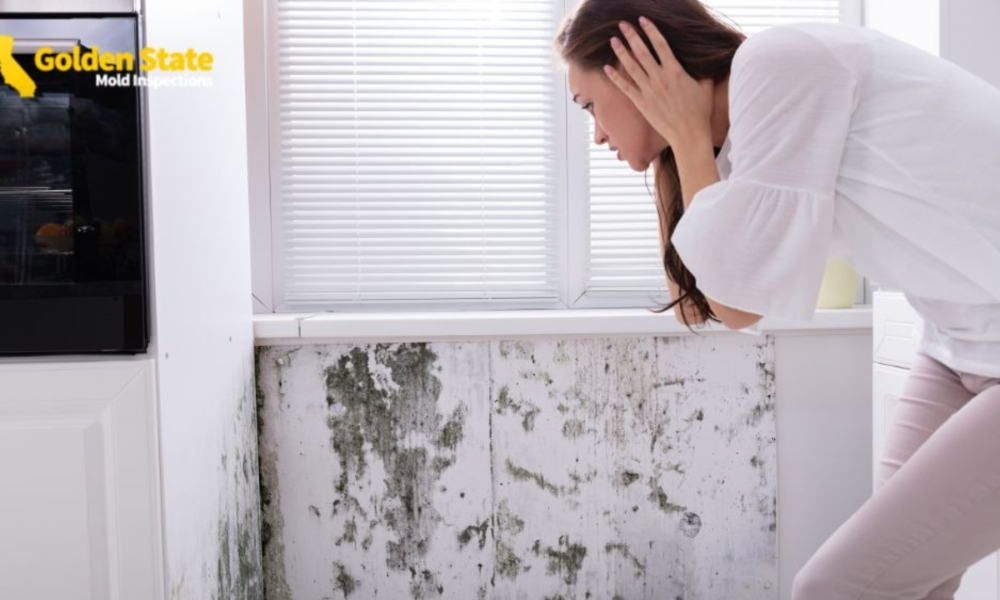
Finding out your home has mold is stressful, but the inspection report in your hands is actually the most useful tool you have. Mold inspections in Los Angeles do not just confirm whether mold exists. They identify the species, measure its concentration, pinpoint the moisture source driving growth, and produce a scope of work telling you exactly what remediation requires. Knowing how to read that report and act on it correctly determines whether the problem gets solved permanently or keeps coming back. This article walks through every step after a positive mold finding.
Read the Report Before Calling Anyone
The inspection report is a factual document, not a cause for panic. Before contacting a remediation company, read it in full. A report from a certified inspector like those at Golden State Mold Inspections includes photographs of affected areas, moisture meter readings at specific locations, lab-identified mold species, spore concentration levels, and a written scope of work.
The scope of work is particularly important. It specifies which materials require removal, what containment protocols apply, and what conditions must exist before clearance testing can occur. Understanding the scope before speaking to a remediator prevents you from agreeing to work that goes beyond what the inspection actually found. The report is completed within one to three days after the inspection, with lab samples submitted immediately after collection.
Identify Whether the Moisture Source Has Been Fixed
Mold cannot establish without a sustained moisture source. The most common drivers in Los Angeles homes are roof leaks, plumbing failures inside walls, HVAC condensation drainage problems, and inadequate bathroom ventilation. Mold inspections in Los Angeles always identify the moisture source alongside the mold itself, because removing mold without eliminating moisture guarantees regrowth.
Before scheduling remediation, confirm whether the moisture source identified in the report has already been repaired or still requires attention. If a plumbing leak inside a wall caused the mold, that pipe must be fixed before any drywall is removed and replaced. If the source is an HVAC drainage issue, that system needs repair first. A remediator who proceeds without the moisture source being resolved is setting up a return visit.
Understand What the Mold Species Means
Not all mold findings carry the same urgency. The lab report attached to your inspection identifies the specific genera present. Common findings include:
- Penicillium and Aspergillus: Frequently found in water-damaged building materials. Elevated indoor concentrations warrant remediation but are not considered among the most toxic species.
- Cladosporium: Common both indoors and outdoors. Elevated indoor counts relative to outdoor baseline samples indicate an indoor moisture problem.
- Stachybotrys chartarum: Requires prolonged cellulose material saturation to establish. Its presence confirms a chronic, long-standing moisture condition rather than a recent event.
- Chaetomium: Associated with water-damaged drywall and paper materials. Often found alongside Stachybotrys in severe water damage situations.
The U.S. Centers for Disease Control and Prevention notes that any mold growth indoors should be addressed regardless of species, but the type found helps calibrate the urgency and scope of the response.
Hire Only a Certified Remediation Contractor
The scope of work in your inspection report is the document a remediation contractor must follow. Golden State Mold Inspections is explicit on this point: only use a certified remediation contractor. Non-certified contractors and handymen account for nearly all failed clearance inspections, typically because they address visible mold without following containment protocols or resolving the underlying moisture condition.
When interviewing remediators, ask for their specific certification credential. The Institute of Inspection Cleaning and Restoration Certification (IICRC) AMRT designation and the ACAC CMR credential are two recognized standards. Ask whether they will follow the scope of work provided in your mold inspections in Los Angeles report exactly, or whether they intend to substitute their own assessment. A remediator who dismisses the inspection scope is a red flag.
Do Not Disturb Mold Before Remediation Begins
A common mistake after receiving a positive inspection report is attempting to clean or remove visible mold before the certified contractor arrives. Disturbing mold colonies without proper containment releases spores into the air and can spread contamination to previously unaffected areas of the home.
This applies to all DIY approaches including bleach application on surfaces. Bleach kills surface mold on non-porous materials but does not penetrate porous materials like drywall, wood framing, or insulation. The visible discoloration may disappear but the mycelium embedded in the material remains viable. Professional remediation uses HEPA vacuums, containment barriers, negative air pressure, and appropriate antimicrobial treatments matched to the substrate involved.
Plan for Independent Clearance Testing
After remediation is complete, an independent clearance inspection is required before the containment barriers come down and the area returns to normal use. This inspection must be performed by a mold inspector who had no involvement in the remediation work. Golden State Mold Inspections provides post-remediation clearance assessments as a standalone service.
Clearance testing includes a visual inspection of the remediated area and air sampling to confirm that spore concentrations have returned to acceptable levels relative to outdoor baseline measurements. A written clearance report documents that the work was completed correctly. Without this step, there is no independent verification that the mold problem has actually been resolved. Insurance companies, real estate transactions, and legal proceedings all require documented clearance, not just a contractor’s verbal confirmation.
What to Do If You Are a Renter
Renters who receive confirmation of mold through a professional inspection report are in a strong legal position. California Civil Code Section 1941 requires landlords to maintain habitable conditions, and Health and Safety Code Section 17920.3 identifies visible mold as a substandard condition. The inspection report provides dated, third-party documentation of the finding.
Provide your landlord with a written copy of the report and a formal written request for remediation. Keep a copy of that notice with the date it was delivered. If the landlord fails to act within a reasonable period, the Los Angeles Housing Department accepts habitability complaints and can issue orders to comply. The inspection report from a neutral, certified company carries significantly more weight with housing authorities and in court than a tenant’s self-reported complaint.
Protecting Your Home Long Term After Remediation
Once clearance testing confirms the mold has been successfully removed, the focus shifts to prevention. The two primary causes of indoor mold growth are poor ventilation and moisture intrusion. Specific actions that reduce recurrence risk include:
- Running bathroom exhaust fans during and for 15 minutes after every shower
- Fixing any plumbing drips immediately, including slow leaks under sinks
- Keeping indoor humidity below 50 percent, measured with an inexpensive hygrometer
- Opening windows regularly to allow the property to exchange air
- Scheduling periodic inspections after heavy rain seasons or any new water intrusion event
Golden State Mold Inspections serves Los Angeles County, Orange County, and Ventura County. Their mold inspection services cover initial assessments, post-remediation clearance, and follow-up inspections. Reach Golden State Mold Inspections at (310) 525-0619 to schedule any stage of this process.




