
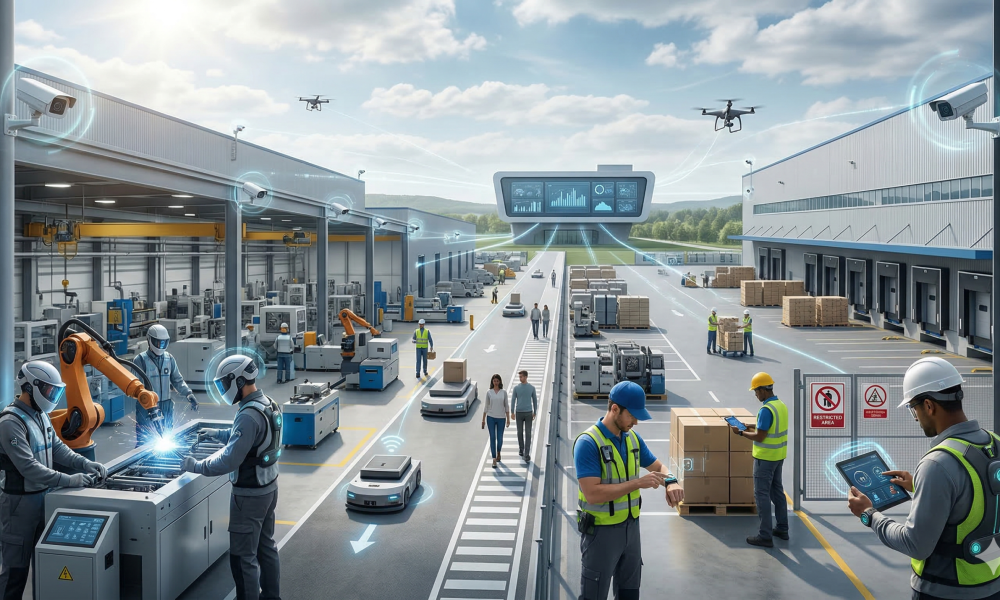
Workplace protection strategies are experiencing a fundamental transformation across industrial sectors. Organizations are moving away from traditional reactive methods and adopting advanced digital systems to prevent incidents before they occur. This shift reflects a growing recognition that modern operations require continuous oversight and proactive hazard identification. Manufacturing plants, logistics hubs, and construction sites face unique environmental challenges that demand sophisticated monitoring solutions. Companies are investing heavily in new platforms to protect their workforce, optimize daily workflows, and build resilient operational environments. The integration of these digital tools represents a permanent change in how facility managers approach daily risk assessments.
Transitioning from Reactive to Proactive Risk Management
The traditional approach to industrial protection relied heavily on reviewing past incidents to prevent future occurrences. This backward-looking method often left teams vulnerable to emerging hazards that had not yet caused an accident. Modern digital platforms change this dynamic entirely. These systems continuously analyze environmental conditions and employee behaviors in real time. Safety professionals can now identify potential dangers early and implement corrective actions immediately. This proactive stance reduces the likelihood of injuries and minimizes costly operational disruptions.
Data collection forms the foundation of this new methodology. Sensors, cameras, and connected devices gather vast amounts of information from the facility floor. Advanced algorithms process this data to detect patterns that human observers might miss. A sudden increase in near-miss events in a specific zone triggers an automatic alert to facility managers. Supervisors can then investigate the area and resolve the underlying issue. This continuous feedback loop ensures that protective measures evolve alongside changing operational demands.
Predictive analytics engines take this raw data and generate accurate risk forecasts. These software models examine historical incident logs alongside current environmental metrics like temperature fluctuations, equipment vibration, and ambient noise levels. When the software identifies a correlation that precedes an accident, it warns the management team. This capability allows leaders to pause operations and address the mechanical or environmental fault. Preventing a machine failure or a structural issue saves capital and protects the personnel operating nearby.
Integrating these tools into daily workflows requires careful planning and clear communication. Employees must recognize the value of these systems and feel confident using them. Training programs should focus on practical applications and demonstrate how the technology directly benefits the workforce. When teams see that these platforms actively prevent harm, adoption rates increase significantly. A collaborative implementation process builds trust and encourages active participation from all staff members.
Enhancing Visibility Across Complex Operations
Industrial facilities often span massive areas with numerous blind spots and high-traffic zones. Maintaining comprehensive oversight in these environments presents a significant challenge for management teams. Human patrols cannot monitor every corner of a sprawling warehouse simultaneously. Computer vision technology offers a practical solution to this visibility problem. Artificial intelligence platforms analyze video feeds from existing camera networks to monitor activities across the entire site. This continuous observation helps organizations enforce protocols without requiring constant human supervision.
These visual monitoring systems provide a critical layer of defense against common workplace hazards. They can detect unsafe conditions instantly and notify the appropriate personnel. This rapid response capability is essential in fast-paced environments where situations change rapidly. The software processes dozens of frames per second without experiencing fatigue or distraction. Common applications for this technology include:
- Detecting unauthorized entry into restricted or hazardous zones.
- Monitoring interactions between pedestrians and heavy machinery.
- Identifying missing personal protective equipment on the facility floor.
- Alerting supervisors to blocked emergency exits or safety equipment.
- Tracking vehicle speeds in loading docks and staging areas.
The impact of enhanced visibility extends beyond immediate hazard detection. Managers can use the aggregated visual data to evaluate the success of existing safety protocols. If the system frequently flags a specific intersection for near-misses, the facility layout may require modification. This objective information allows organizations to make evidence-based decisions about infrastructure improvements. Continuous monitoring transforms raw video footage into actionable insights that drive long-term operational enhancements.
Protecting Individual Workers with Wearable Devices
Wearable technology introduces a personalized approach to employee protection. Smart helmets, connected vests, and biometric sensors track individual locations and environmental exposures throughout the shift. These devices are particularly valuable for personnel operating in remote areas or performing isolated tasks. Continuous monitoring ensures that every team member remains connected to the central support network, regardless of their physical location within the facility.
Immediate incident detection is a primary benefit of wearable systems. If a device registers a sudden impact or a prolonged period of inactivity, it automatically transmits an emergency signal. This rapid notification drastically reduces response times during critical situations. Medical personnel can reach the injured employee faster, potentially preventing minor injuries from escalating into severe health complications. The technology provides a direct lifeline that operates independently of the worker’s ability to call for help.
Beyond emergency alerts, wearables assist in preventing repetitive strain injuries. Ergonomic sensors monitor an employee’s posture and lifting techniques during manual material handling. If a worker repeatedly bends at the waist instead of the knees, the device provides gentle haptic feedback. This physical reminder encourages the individual to correct their form immediately. Over time, this continuous physical coaching reduces the incidence of musculoskeletal disorders and improves overall physical well-being.
Privacy concerns often arise during the introduction of wearable monitoring tools. Organizations must establish clear policies regarding data collection, storage, and usage. Transparent communication helps alleviate employee apprehensions and builds confidence in the program. Management should emphasize that the primary purpose of these devices is physical protection, not productivity tracking. Establishing strict access controls ensures that sensitive biometric information remains secure and is only reviewed during emergency situations or authorized safety audits.
Streamlining Compliance and Reporting Processes
Administrative burdens frequently consume a significant portion of a safety professional’s workday. Manual documentation, paper-based logs, and physical inspection forms slow down the reporting process and increase the risk of data entry errors. Digital integration automates many of these routine tasks, freeing up valuable time for strategic planning and hazard mitigation. Automated systems capture incident details instantly and format the information according to regulatory requirements.
Centralized data repositories simplify the auditing process and ensure that all records remain easily accessible. When inspectors request documentation, managers can retrieve the necessary files with a few keystrokes. This rapid access demonstrates a strong commitment to organizational compliance and operational transparency. Digital platforms also track training certifications and equipment maintenance schedules. Automated reminders notify supervisors when an employee requires recertification or when a machine needs servicing.
Maintaining a clear chain of custody for digital records protects the organization during external investigations. Cloud-based platforms log every modification made to an incident report, creating an unalterable history of the event. This transparency builds credibility with external auditors and internal stakeholders. The shift toward digital reporting improves the overall quality of safety data. Standardized input fields prevent incomplete submissions and ensure consistent terminology across all departments.
Analytics dashboards compile this information into visual reports that highlight trends and areas of concern. Executives can review these summaries to distribute resources properly and prioritize facility upgrades. Accurate documentation forms the basis of a resilient and adaptable risk management strategy. Leaders can track the return on investment for specific safety initiatives by comparing historical incident rates against current performance metrics.
Accessing Support and Tools for Implementation
Selecting the right technological solutions requires a thorough evaluation of specific operational needs. Facility managers must assess their unique environmental hazards and identify the tools that offer the most significant protective benefits. Partnering with experienced technology providers simplifies this selection process. These specialists offer valuable guidance on system architecture, hardware compatibility, and software integration. Their expertise helps organizations avoid common implementation pitfalls and accelerates the deployment timeline.
Companies are actively deploying targeted solutions from providers like Protex.ai, prioritizing risk software (38%), proximity (31%), work-zone intrusion (27%), and lone-worker (24%) applications to protect their teams. This specific allocation of resources highlights a clear focus on mitigating the most severe industrial hazards. Integrating these specialized tools into a cohesive network creates a comprehensive defense system. Each component shares data with the central platform, providing a unified view of the entire operational landscape.
Many organizations begin their technological transition with a targeted pilot program. Testing new equipment in a single department allows managers to evaluate its performance in a controlled setting. This phased approach minimizes operational disruptions and provides valuable feedback from the initial user group. Once the pilot proves successful, the company can scale the technology across the entire facility with greater confidence.
Successful integration depends on continuous evaluation and system refinement. Technology platforms require regular updates to maintain peak performance and address emerging security threats. Organizations should establish a dedicated team to oversee the maintenance and optimization of these digital assets. Routine performance reviews ensure that the equipment continues to meet the evolving needs of the workforce. A proactive maintenance schedule maximizes the return on investment and extends the lifespan of the hardware.
Building a Resilient Operational Culture
The rapid adoption of digital protection systems represents a permanent shift in industrial management. Organizations that embrace these advancements create safer, more efficient environments for their employees. The transition requires a financial commitment and a willingness to adapt traditional workflows. The resulting improvements in hazard detection and incident prevention easily justify the initial expenditure.
Technology alone cannot eliminate all workplace dangers. These advanced tools must operate within a strong organizational culture that prioritizes human well-being above all other metrics. Leadership teams must actively promote safe practices and encourage open communication regarding potential hazards. When employees feel supported and protected, they engage more deeply with their daily tasks. This psychological comfort translates directly into higher morale and reduced turnover rates.
The future of industrial operations relies on the seamless integration of human expertise and digital innovation. Continuous monitoring, predictive analytics, and automated reporting provide the foundation for a highly responsive management strategy. Facilities that prioritize these technological upgrades will maintain a distinct advantage in an increasingly competitive landscape. Protecting the workforce remains the most critical responsibility of any successful enterprise.




