
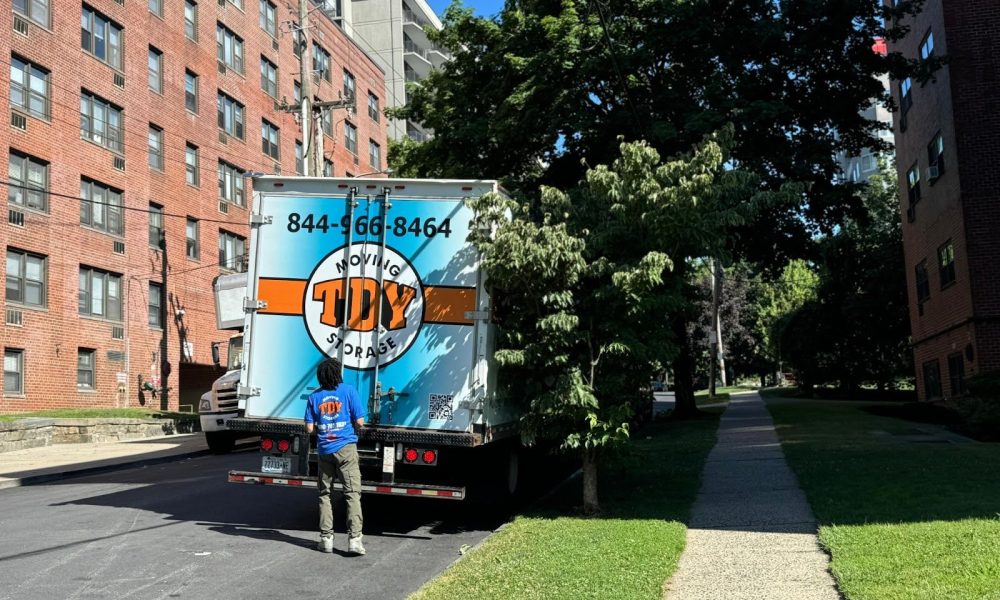
Moving in Manhattan often looks simple from the outside. The distance between addresses may be short, and the city is full of apartment buildings, condos, and residential towers that seem built for constant turnover. In reality, Manhattan moves usually require more pre-move coordination than people expect.
The challenge is not just transporting furniture from one place to another. It is dealing with building rules, elevator scheduling, access windows, traffic, loading restrictions, and the pace of moving day in one of the most tightly managed urban environments in the country. For residents planning a move within the borough or into another part of the city, early coordination can make the difference between a smooth transition and a stressful one.
Building rules often shape the entire moving plan
One of the most important parts of a Manhattan move happens before any truck arrives. Many residential buildings have strict move-in and move-out procedures, especially in larger apartment towers, doorman buildings, and managed condominiums.
Some properties require advance notice. Others only allow moves during certain weekday hours. Elevator reservations are common, and many buildings will not allow a move to begin until the service elevator has been booked and approved. In some cases, residents also need to provide certificates of insurance or follow building-specific requirements set by management.
These policies may seem routine, but they directly affect the timing of the move. If a building only allows moves during a narrow window, the entire day must be planned around that schedule.
Elevator access matters more than many residents expect
In Manhattan, elevator coordination is often one of the biggest factors in moving-day efficiency. A reserved service elevator can keep the process moving in an organized way, while a missing reservation can create long delays or last-minute complications.
This matters even more in high-rise buildings, where dozens or even hundreds of residents may share the same access points. A move that starts late can create a ripple effect, especially if the building has strict cut-off times for elevator use. In some cases, buildings pad or protect elevator interiors before moves begin, which adds another step that must be coordinated in advance.
For anyone relocating to or from a Manhattan building, it helps to confirm elevator rules as early as possible and make sure those details are finalized before move day.
Street access and loading can be just as important as the building itself
Even when the apartment is ready, the street outside may present another challenge. Manhattan traffic, limited curb access, delivery congestion, and dense pedestrian activity can all affect how quickly movers can load and unload.
Some buildings have better access than others, but many addresses offer very little space for trucks to stop comfortably. Commercial delivery activity, buses, rideshare traffic, and parking restrictions can narrow the available options even further. That means timing becomes essential. A move planned without considering street conditions may run into avoidable delays before the first item even comes out of the building.
This is one reason many residents start with the building checklist and then immediately think about truck access, route planning, and time of day.
Older buildings and newer towers create different kinds of moving challenges
Not all Manhattan buildings function the same way. Older prewar buildings may have charm and character, but they can also come with tighter stairwells, narrower hallways, smaller elevators, or limited entry access. Newer luxury towers often offer better vertical access, but they may also have stricter management procedures and tighter scheduling requirements.
That means the planning process should reflect the kind of building involved. A walk-up or older elevator building may require special attention to bulky furniture and stair access. A larger managed property may require more advance documentation and stricter compliance with move-in policies.
The move itself may be local, but the complexity depends heavily on the building.
Timing is everything in Manhattan moves
Moving within Manhattan is often less about mileage and more about timing. A short move between neighborhoods can still take much longer than expected when traffic, building access, and loading windows are involved.
Residents who plan carefully usually think through the full sequence of the day: when the truck can arrive, when the building allows access, how long loading is likely to take, and whether the destination building has its own time restrictions. Missing even one of those details can affect the rest of the schedule.
That is why many people preparing for city relocations rely on experienced New York City movers who understand how building coordination, urban access, and timing affect Manhattan moves from start to finish.
A strong pre-move checklist can prevent last-minute problems
A helpful Manhattan moving checklist should go beyond basic moving tasks. In addition to confirming the address and date, residents should verify building rules, reserve elevator time, review insurance or management requirements, and check when loading and unloading are actually allowed.
It also helps to identify oversized furniture or fragile pieces early, especially if the move involves narrow hallways or older buildings. Measuring entryways, confirming access points, and making sure everyone involved knows the schedule can prevent problems that are hard to solve once the day is already underway.
The more specific the checklist is, the more useful it becomes.
Manhattan moves require coordination, not just transportation
There is a reason Manhattan moves often feel more demanding than moves in other parts of the region. The buildings are more regulated, access is more limited, and timing matters at nearly every stage of the process. What seems like a short local move can become complicated if the schedule, property rules, and loading conditions are not aligned.
For residents, the most practical approach is to treat the move as a coordination process first and a transportation process second. When that mindset is in place early, the move is easier to organize and far less likely to be disrupted by preventable issues.
Final thoughts
Manhattan relocations often succeed or fail based on preparation. Building rules, elevator reservations, street access, traffic timing, and property management requirements all shape how the day unfolds. Taking the time to confirm those details in advance can make the experience more predictable and much less stressful.
For anyone planning a move within Manhattan or elsewhere in the city, pre-move coordination is not just a helpful extra step. It is one of the most important parts of the process.