
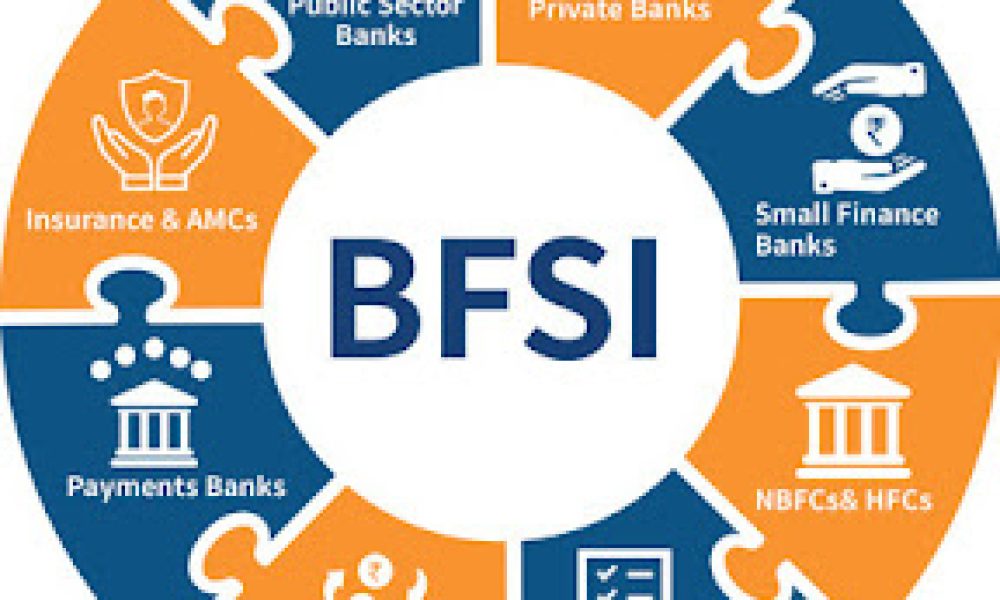
According to a new report published by Allied Market Research, titled, “Retail Banking Market , By Type (Commercial Banks, Rural Banks, Others), By Function (Bank Account Opening, Deposits And Withdrawals, Debit And Credit Card Issuance, Investment And Insurance, Others), By End User (Individuals, Businesses): Global Opportunity Analysis And Industry Forecast, 2023-2032″ The retail banking market was valued at $1.9 trillion in 2022, and is estimated to reach $4030.3 billion by 2032, growing at a CAGR of 8.1% from 2023 to 2032.
See What’s Inside This Report :
https://www.alliedmarketresearch.com/request-sample/6037
The retail banking market is undergoing a transformative phase marked by rapid technology integration, which continues to reshape the market landscape, with a strong emphasis on digitalization. Mobile banking apps, online platforms, and AI-driven services are becoming universal, revolutionizing customer interactions and enhancing operational efficiency. In addition, there is a rise in focus on personalization and customer-centric experiences. Banks are investing heavily in user-friendly interfaces and adopting omnichannel strategies to meet the evolving expectations of customers seeking seamless, tailored services.
Furthermore, financial institutions are prioritizing adherence to evolving regulatory standards to build trust and ensure stability. Moreover, the rise in fintech startups is reshaping the competitive landscape, forcing traditional retail banks to innovate and collaborate with tech-savvy newcomers. In addition, the strategic use of data through advanced analytics and AI is driving growth in the retail banking market. Retail banks are leveraging customer data to offer highly customized financial solutions, driving customer satisfaction and revenue growth. These trends collectively drive growth in the retail banking market, emphasizing a dynamic, customer-centric approach in an increasingly digital world. Therefore, these retail banking market trends collectively signify a dynamic shift towards a more customer-centric, technologically-driven, and compliant-oriented landscape within the retail banking industry.
Furthermore, major players in the market are launching new products to cater to the changing consumer preferences. For instance, in July 2023, the U.S. Federal Reserve launched a long-awaited service that aims to modernize the country’s payment system, eventually allowing everyday Americans to send and receive funds in seconds, 24 hours a day, seven days a week. The “FedNow” service, which has been operating since 2019, will seek to eliminate the several-day lag that commonly occurs in settling cash transfers, bringing the U.S. in line with countries including the UK, India, Brazil, and the European Union, where similar services have existed for years. Unlike peer-to-peer payment services such as Venmo or PayPal, which act as intermediaries between banks, payments made via FedNow will settle directly in central bank accounts.
Moreover, industry players are adopting digitalization to enhance the customer experience further and offer innovative products. For instance, in September 2023, U.S. Bank unveiled an online marketplace of third-party payment and treasury solutions that are fully integrated with U.S. Bank systems. The U.S. Bank Connected Partnership Network helps corporate treasury teams easily identify and adopt bank-connected technology, such as treasury management systems and working capital automation tools. The U.S. Bank Connected Partnership Network also enables fintechs and other third parties to develop applications powered by the U.S. Bank Payment Services and delivered through the Connected Partnership Network. Businesses can quickly determine which of their existing tech solutions are already integrated into the Connected Partnership Network, creating opportunities to connect to U.S. Bank payments within their systems seamlessly. This is the latest example of the bank’s embedded payments strategy, delivering the U.S. Bank capabilities within applications already used by businesses. Thus, strategies adopted by players in the retail banking market will enhance global market growth and further increase the adoption of retail banking policies in the coming years.
By function, the bank account opening segment is the fastest-growing segment. This is attributed to the fact that there has been a concerted effort by banks to streamline and simplify the account opening process, making it more accessible and convenient for customers. This includes the integration of digital platforms and mobile applications, allowing individuals to open accounts remotely without the need for physical visits to a branch. Moreover, increase in financial literacy and awareness among consumers have encouraged more individuals to actively engage with banking services, thereby driving the demand for new accounts opening.
However, the investment and insurance segment is predicted to be the fastest growing segment during the forecast period. This is due to a shifting focus towards wealth management and financial planning. As individuals become more familiar of the importance of long-term financial security, there is increase in interest in investment products and insurance policies. Retail banks have responded to this demand by expanding their offerings in these areas, providing a comprehensive suite of investment options and insurance products tailored to different risk appetites and financial goals. This, along with a growing aging population seeking retirement planning solutions, has spurred the rapid growth of the investment and insurance in the retail banking market during the forecast period.
Region-wise, Asia-Pacific attained the highest growth in 2022. This is due to its dynamic and rapidly evolving economic landscape. The region has some of the world’s fastest-growing economies, with a promising middle class and increase in the number of individuals gaining access to banking services for the first time. Surge in demand for financial products and services, combined with the widespread adoption of mobile technology, is driving innovation and propelling the growth of the retail banking market in Asia-Pacific.
The impact of COVID-19 on the retail banking market was mixed, with both positive and negative consequences. Initially, the pandemic presented significant challenges, leading to economic uncertainty, job losses, and financial strain for many individuals and businesses. This resulted in increased demand for loan restraint and relief programs, putting pressure on banks’ asset quality.
However, as the crisis advanced, retail banks played a crucial role in stabilizing the economy by swiftly implementing government-backed stimulus programs and providing financial support to affected customers and businesses. Furthermore, the pandemic accelerated the adoption of digital banking solutions, as customers sought contactless and online options, ultimately propelling technological advancements in the industry. Thus, while COVID-19 initially posed challenges, it also emphasized the resilience and adaptability of the retail banking sector, driving innovation and digital transformation.
Key Findings of the Study
- By type, the commercial banks segment led the retail banking market in terms of revenue in 2022.
- By function, the bank account opening segment accounted for the highest retail banking market share in 2022.
- By end user, the individual segment accounted for the highest share in the retail banking market size in 2022.
- By region, Asia-Pacific generated the highest revenue in 2022.
The report profiles the key players operating in the retail banking market analysis such as Barclays, BNP Paribas, Citigroup, Inc., Deutsche Bank, Goldman Sachs, Industrial and Commercial Bank of China ( Asia ) Limited., JP Morgan Chase & Co., Mitsubishi UFJ Financial Group, Inc., The Hongkong and Shanghai Banking Corporation Limited, and Wells Fargo. These players have adopted various strategies to increase their market penetration and strengthen their position in the retail banking market.
Trending Reports:
| Property Insurance Market | https://www.newstrail.com/property-insurance-market/ |
| Real Estate Loans Market | https://www.newstrail.com/real-estate-loan-market/ |
| Business Liquidation Services Market | https://www.newstrail.com/business-liquidation-services-market/ |
| Personal Legal Services Market | https://www.newstrail.com/personal-legal-services-market/ |
| Financial Asset Broking Services Market | https://www.newstrail.com/financial-asset-broking-services-market/ |
| Incentive Cards Market | https://www.newstrail.com/incentive-cards-market/ |
| Forex Brokers Market | https://www.newstrail.com/forex-brokers-market-2/ |
| Debt Security Market | https://www.newstrail.com/debt-security-market-2/ |
| Hedge Fund Market | https://www.newstrail.com/hedge-fund-market-2/ |
| POS Payment Market | https://www.newstrail.com/pos-payment-market-3/ |




