
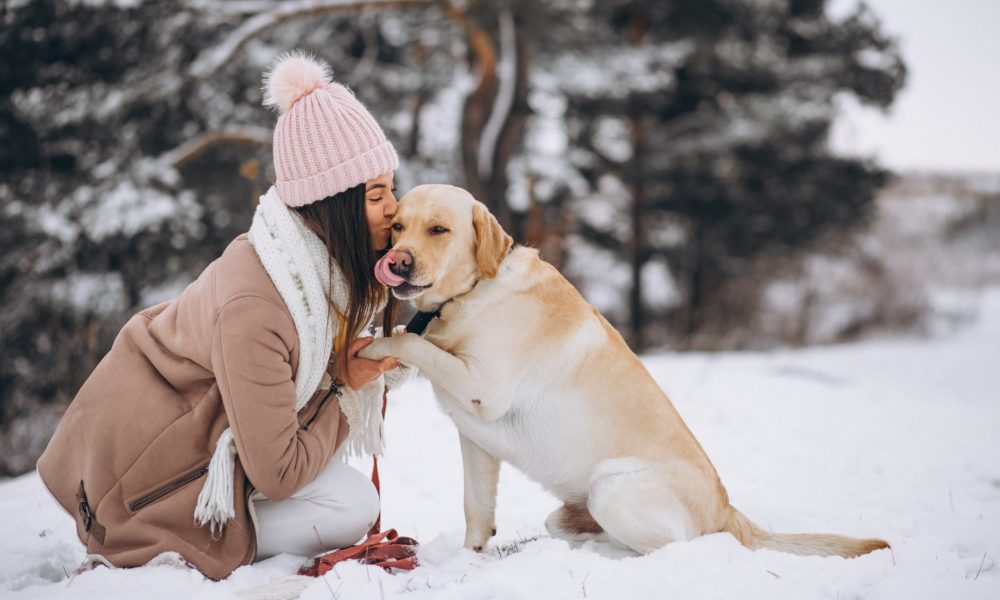
Snow affects how dogs move and explore outdoor spaces. Cold air creates breathing problems, paw damage, and body temperature reduction. Owners need to establish winter care procedures before the first major snowfall occurs. Some families depend on dog daycare services during the active winter vacation period. Other families select dog boarding facilities when they travel during the winter season. Proper preparation activities help reduce the dangers posed by outdoor freezing temperatures. Winter safety methods enable dogs to stay active while maintaining their health. Knowledge of cold-weather requirements helps people achieve comfort during their daily activities.
Knowing Your Dog’s Cold Limits
Each dog responds differently to cold temperatures. Breed, size, and coat thickness influence tolerance levels. Small dogs lose heat faster than larger breeds. Short-haired dogs require extra protection outdoors. Staff at the dog daycare watch the dogs during winter play. Senior dogs face joint pain during icy conditions. Puppies need short outdoor sessions in the snow. Shivering signals discomfort and possible cold stress.
Paw Protection in Snow and Ice
Snow and ice can damage sensitive paw pads. Salt on roads may cause cracks and irritation. Protective boots reduce contact with frozen surfaces. Trim fur between toes to stop ice buildup. Dog boarding centers clean paws after outdoor time. Rinse paws gently using warm water indoors. Dry paws fully to prevent skin problems. Frequent checks prevent hidden cuts or sores.
Safe Winter Exercise and Activity
Dogs still need movement during cold months. Short walks reduce exposure to freezing winds. Avoid icy lakes and slippery sidewalks outside. Deep snow can quickly cause muscle strain. Dog daycare adjusts outdoor time during storms. Indoor games help burn energy safely. Watch breathing during active snow play sessions. Offer fresh water after each outdoor activity.
Clothing and Warm Shelter Needs
Some dogs benefit from insulated winter coats. Clothing helps small breeds hold body warmth. Wet fur increases risk of cold stress. Dry your dog after snow exposure outdoors. Dog boarding facilities provide heated sleeping areas. Outdoor shelters must block wind and moisture. Raise bedding above cold ground surfaces. Warm rest spaces maintain steady body temperature.
Nutrition and Hydration in Winter
Cold weather can make dogs need more energy each day. Active dogs burn more calories when playing in snow outside. Talk to a veterinarian before changing your dog’s food amount. Dogs still need fresh water even on freezing winter days. Snow is not a safe replacement for clean drinking water. Daycare staff watch the dogs and check that they drink enough water. Remove ice from outdoor bowls to keep dogs safe and healthy. Good, balanced food helps dogs stay warm and strong in cold weather.
Travel and Supervision during Snowfall
Winter car travel needs extra care to keep dogs safe. Warm the car before your dog gets inside it. Do not leave dogs alone in cold parked cars. Dog boarding helps families when they travel for many days. Trained staff care for dogs during heavy snow times. Reflective gear helps drivers see dogs in low light. Use a leash to stop dogs from running onto icy roads. Watch dogs closely in snowstorms to stop them from getting lost. Check the temperature and the dogs’ behavior to keep them safe while traveling.
Final Words
Snow activities become enjoyable when people prepare properly and create safety plans that they implement during their time outdoors. You need to observe your dog outside to find any signs of discomfort, which include both shivering and abnormal behavior patterns. Dog daycare provides supervised playtime activities which maintain dog activity throughout the cold winter months. Dog boarding facilities offer customers safe temporary housing solutions, which they can use during travel or when dangerous weather conditions occur. The implementation of basic winter safety measures offers people major health protection while it effectively stops cold-weather injuries from occurring. Dogs maintain comfort and stability during extreme weather through the use of warmth, hydration, and protective measures. The combination of consistent care and winter adventures enables us to travel safely together to any destination we choose.




