
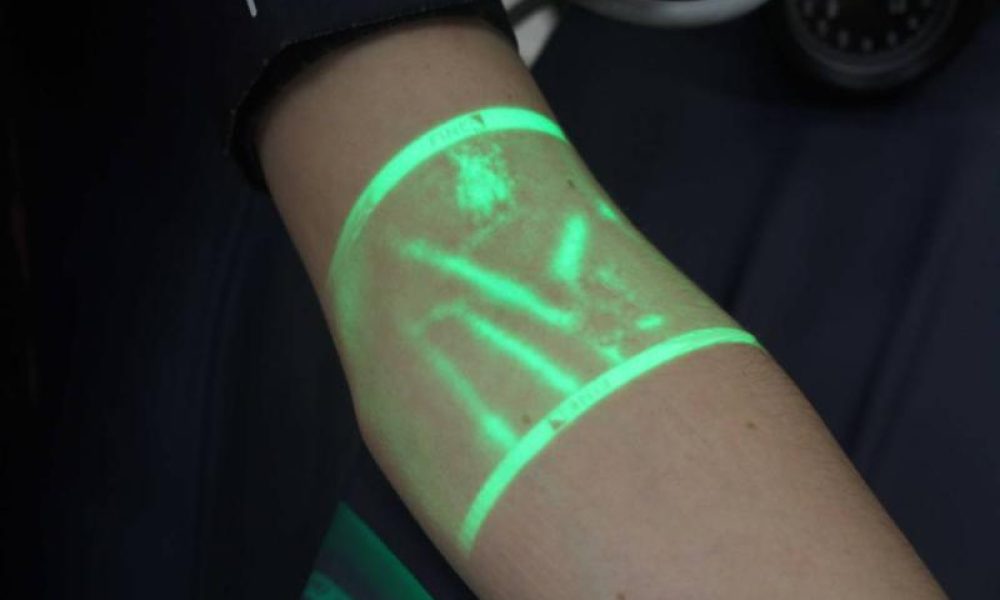
The global vein illuminator market is witnessing significant growth, driven by advancements in medical technology and an increasing demand for efficient and accurate vascular access in clinical settings. As a critical component in intravenous (IV) procedures, vein illuminators are designed to improve vein visibility, reduce the number of insertion attempts, and enhance overall patient outcomes. The market’s expansion is propelled by innovations in infrared technology, increasing hospital procedures, and the growing need for reliable venous access solutions in healthcare systems globally.
Overview of the Vein Illuminator Market
The vein illuminator market has experienced steady growth over recent years and is expected to continue on an upward trajectory. According to industry forecasts, the global market size is projected to increase from US$ 403.2 million in 2026 to US$ 1,807.1 million by 2033, with a compound annual growth rate (CAGR) of 23.9% during the forecast period. The rise in hospital procedures, the demand for accurate venous access, and technological innovations in vein visualization are key drivers of market growth. These factors, coupled with expanding healthcare access, particularly in emerging markets, position the vein illuminator market for continued success.
North America currently holds the largest market share, driven by its advanced healthcare infrastructure, stringent regulations, and a strong emphasis on research and development (R&D). However, the Asia-Pacific region is witnessing the fastest growth, fueled by expanding healthcare access, rising patient populations, and government initiatives aimed at enhancing healthcare delivery in countries like China and India.
Download Your Free Sample & Explore Key Insights: https://www.persistencemarketresearch.com/samples/12775
Key Highlights from the Report:
• The vein illuminator market is expected to grow at a CAGR of 23.9% from 2026 to 2033.
• North America dominated the market with a 40.4% share in 2025.
• Infrared/near-infrared technology is the leading product segment, accounting for 49.1% of the market share in 2025.
• Asia-Pacific is the fastest-growing region in the vein illuminator market.
• The intravenous access application holds the largest market share due to high procedural volume.
• The market is driven by the need for efficient vascular access and technological advancements in medical imaging.
Market Segmentation
The vein illuminator market is primarily segmented based on product type, end-user, and application. Each of these categories reflects different aspects of the market’s demand and provides insight into the key drivers of growth.
Product Type
The global vein illuminator market is heavily influenced by infrared and near-infrared technologies, which dominate the product segment due to their ability to offer real-time, non-invasive visualization of subcutaneous veins. Infrared devices operate by emitting near-infrared light, which is absorbed by hemoglobin and reflected by surrounding tissues. This allows healthcare providers to visualize veins that may otherwise be difficult to locate, improving the accuracy of vein punctures during procedures like IV insertions and blood draws. In 2025, infrared technology is expected to account for nearly 49% of the market share, making it the dominant technology in this space.
Besides infrared, the market also includes other technologies, such as ultrasound and optical vein illumination. While these devices have growing applications in specific medical settings, infrared remains the most widely adopted due to its portability, effectiveness, and cost efficiency.
End-User
Hospitals and outpatient clinics are the largest end-users of vein illuminators, reflecting the high volume of intravenous (IV) procedures performed daily. Hospitals particularly benefit from these technologies as they face large numbers of patients requiring accurate and efficient venous access. In addition, emerging settings, such as urgent care centers, nursing homes, and home care environments, are increasingly adopting vein illumination technologies due to the growing demand for IV therapy and medical imaging devices.
Another noteworthy trend is the increasing adoption of vein illuminators in pediatric and geriatric care. In these patient populations, finding suitable veins can be more challenging due to smaller vein sizes, fragile vessels, or comorbid conditions. As such, specialized devices designed for these groups are gaining traction.
Application
Intravenous access is the leading application in the vein illuminator market, with an overwhelming number of hospital patients requiring PIVC (peripheral intravenous catheter) insertion. The application extends to a variety of clinical scenarios, including fluid therapy, blood transfusions, medication administration, and nutrition. The prevalence of hospital admissions and the significant number of patients requiring IV access every year provide a solid foundation for the market’s growth.
Other Applications
In addition to intravenous access, vein illuminators are also increasingly being used in other medical applications, such as blood collection, dialysis procedures, and surgical operations. Devices designed for non-invasive vascular imaging are now integral in ensuring efficient access to veins, particularly in complex cases, thereby improving both patient safety and clinical outcomes.
Regional Insights
North America
North America holds a dominant position in the global vein illuminator market. In 2025, it accounted for 40.4% of the market share, primarily due to the region’s advanced healthcare infrastructure, high levels of healthcare spending, and widespread adoption of new medical technologies. The United States, in particular, has made significant investments in healthcare technology, contributing to the growth of vein illuminator devices. The high prevalence of chronic diseases like diabetes, kidney disease, and cardiovascular conditions in North America further drives the demand for intravenous therapies and vascular access technologies. Additionally, the region benefits from favorable reimbursement policies and a strong regulatory environment, which supports the adoption of advanced medical devices.
Asia-Pacific
The Asia-Pacific region is expected to witness the fastest growth in the vein illuminator market during the forecast period. Countries like China, India, and Japan are investing heavily in healthcare infrastructure, and rising disposable incomes are leading to improved access to medical services. Additionally, the rapid increase in chronic diseases and the aging population in Asia-Pacific is creating a higher demand for medical devices, including vein illuminators. The increasing focus of governments on expanding healthcare services, particularly in rural areas, and the growing number of healthcare facilities in emerging markets are key factors driving the region’s growth.
Europe
Europe, with its robust healthcare systems and emphasis on patient safety, is another key market for vein illuminators. The region’s commitment to maintaining high healthcare standards and its substantial investments in medical technology contribute to the steady demand for vein illumination systems. Countries like Germany, the UK, and France are leading markets due to their well-established public healthcare systems and high levels of healthcare expenditure.
Get Custom Insights Designed for Your Business: https://www.persistencemarketresearch.com/request-customization/12775
Market Drivers
The growing demand for efficient vascular access is the primary driver of the vein illuminator market. Intravenous (IV) therapy is one of the most commonly performed medical procedures worldwide, with over 1 billion peripheral intravenous catheters (PIVCs) being inserted annually. However, locating veins can be challenging, especially in patients with obesity, chronic conditions, or difficult anatomy. Vein illuminators, such as infrared devices, help improve vein visibility, reduce the number of attempts for IV insertion, and increase patient satisfaction by making procedures faster and less uncomfortable. The growing reliance on intravenous therapies, especially in critical care settings, further drives the market demand for vein visualization tools.
Additionally, technological advancements, particularly in infrared and near-infrared technologies, are making vein illumination devices more accurate, portable, and cost-effective. These innovations are contributing to the increased adoption of vein illuminators across hospitals, clinics, and outpatient care centers.
Market Restraints
One of the main challenges facing the vein illuminator market is the high upfront cost of these devices, particularly in smaller clinics and in low- and middle-income countries (LMICs). The capital investment required for advanced imaging technologies, such as ultrasound-guided vein illumination systems, may be prohibitive for smaller healthcare facilities with limited budgets. This creates barriers to the widespread adoption of vein illuminators, particularly in regions where healthcare budgets are constrained.
Furthermore, the integration of vein illuminators into clinical workflows requires trained personnel, which may not always be available in resource-limited settings. These factors limit the adoption of vein illuminators in areas that could benefit the most from improved vascular access tools.
Market Opportunities
There are significant opportunities in the vein illuminator market, particularly with the integration of artificial intelligence (AI) and ultrasound technologies. The convergence of AI with vein illumination systems could further enhance vein detection accuracy, streamline needle placement, and reduce complications like phlebitis or infiltration. AI-enabled imaging could automate vein detection and provide real-time guidance to clinicians, improving procedural success rates and patient outcomes.
Moreover, the increasing demand for portable and wearable vein illumination devices presents a growth opportunity. These devices are especially valuable in point-of-care settings, emergency medical services, and home care environments, where portability and ease of use are essential.
Checkout Now & Download Complete Market Report: https://www.persistencemarketresearch.com/checkout/12775
Company Insights
Several key players are shaping the vein illuminator market by focusing on technological innovation, regulatory compliance, and expanding their market reach. These companies include:
• AccuVein Inc.
• Christie Medical Holdings, Inc.
• Veinlite (Translite LLC)
• Philips Healthcare
• Teleflex
• Venoscope LLC
• NEXTVEIN
• VueTek Scientific (Teleflex)
Recent Developments:
In December 2025, Philips acquired SpectraWAVE Inc., a U.S.-based medtech company specializing in advanced intravascular imaging and physiological assessment technologies.
In February 2025, Teleflex completed the acquisition of BIOTRONIK’s Vascular Intervention business, adding a broad portfolio of vascular intervention products to its portfolio.
Conclusion
The vein illuminator market is poised for significant growth due to the increasing demand for accurate venous access, advances in medical technology, and expanding healthcare infrastructure globally. As hospitals and outpatient facilities adopt these technologies to improve patient outcomes and enhance the efficiency of intravenous procedures, the market is expected to continue its upward trajectory.




