
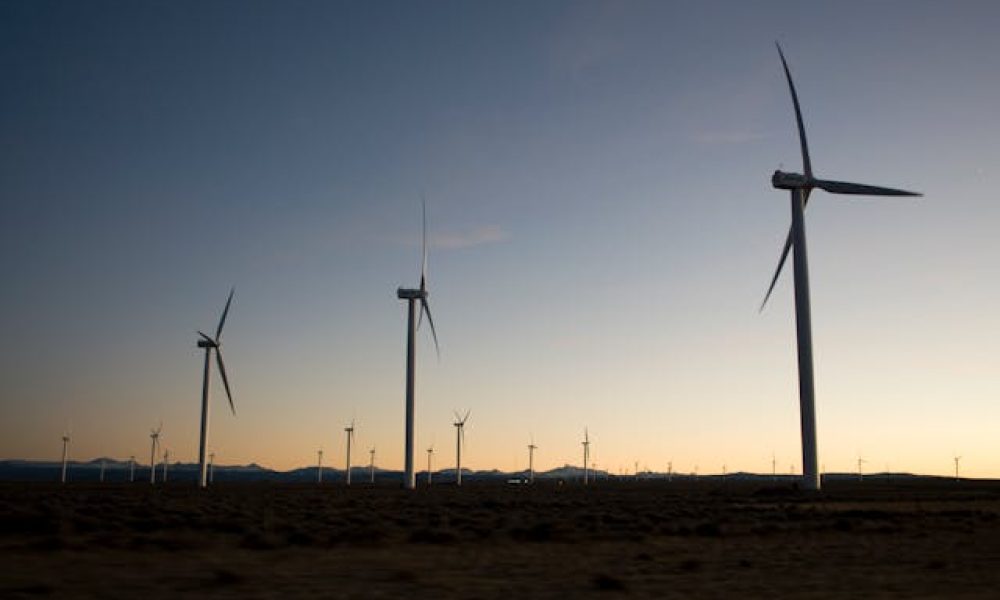
The narrative around cryptocurrency mining and energy consumption has shifted dramatically. What was once framed exclusively as an environmental concern has evolved into a story of innovation, grid stabilisation, and the acceleration of renewable energy deployment. As the industry matures, mining operations are increasingly positioning themselves not as energy problems but as energy solutions.
This transformation carries significant implications for energy markets, climate policy, and the long-term viability of proof-of-work cryptocurrencies. Understanding how mining and renewable energy are converging reveals opportunities that extend far beyond the cryptocurrency sector itself.
The Energy Criticism and Its Evolution
Bitcoin mining consumes substantial electricitythis fact is undisputed. Critics have long pointed to this consumption as inherently wasteful, particularly when powered by fossil fuels. Early mining operations often prioritised cheap electricity above all else, sometimes relying on coal-heavy grids that justified environmental concerns.
However, the industry has undergone significant transformation. Economic incentives that once drove miners toward the cheapest available power now increasingly align with renewable energy sources. Solar and wind have become the lowest-cost generation options in many regions, fundamentally changing the calculus for mining operations planning long-term investments.
The shift is measurable. Industry surveys now consistently show that renewable energy powers a majority of global Bitcoin mining, with the percentage climbing annually. This isn’t primarily driven by environmental consciousnessthough that plays a rolebut by straightforward economics favouring renewables in competitive electricity markets.
Solving the Intermittency Problem
Renewable energy’s greatest challenge has always been intermittency. Solar panels produce nothing at night; wind turbines sit idle on calm days. This variability creates grid management challenges and has historically required backup generation from dispatchable fossil fuel plants.
Cryptocurrency mining offers a novel solution to this fundamental problem. Mining operations can absorb excess renewable generation during peak production periods, providing demand that would otherwise require curtailment or storage. When renewable output drops, miners can reduce consumption, freeing capacity for higher-priority uses.
This flexibility makes mining an ideal complement to variable renewable generation. A solar farm that might otherwise curtail midday production can instead sell that electricity to co-located miners. Wind projects in remote areas with limited transmission capacity can monetise generation that would otherwise go to waste.
The economics work for both parties. Renewable generators gain a buyer for their lowest-value electricity, improving project returns and enabling developments that might otherwise prove unviable. Miners access electricity at prices below retail rates, improving their competitive position. Grid operators benefit from demand flexibility that aids system balancing.
Hardware Efficiency Gains
The environmental equation for mining improves not only through cleaner energy but through dramatically improved hardware efficiency. Each generation of mining equipment produces more computational output per unit of electricity consumed, reducing the energy required to secure the network.
Modern equipment like the antminer s21 represents a massive efficiency improvement over machines from just a few years ago. The latest generation bitmain antminer s23 pushes these boundaries even further, delivering hashrate that would have required multiple older units while consuming a fraction of the energy.
These efficiency gains compound over time. As older, less efficient machines become unprofitable and exit the network, they’re replaced by newer equipment that produces more security per kilowatt-hour. The network’s total energy consumption may remain stable or grow modestly while its computational security increases substantially.
For renewable energy advocates, this trajectory matters. The energy intensity of Bitcoin miningmeasured as energy per unit of security provided continues declining even as absolute consumption fluctuates with market conditions and network growth.
Stranded Energy Monetisation
Perhaps the most innovative intersection of mining and renewable energy involves stranded resourcesenergy that exists but cannot economically reach markets through traditional means.
Remote hydroelectric installations, flared natural gas at oil production sites, and wind resources far from transmission infrastructure all represent stranded energy. Building transmission lines to connect these resources often proves uneconomical, leaving valuable generation capacity unused.
Mining operations can monetise these stranded resources by locating directly at the energy source. The “transmission line” becomes an internet connection, converting local electricity into globally tradeable cryptocurrency. This approach has enabled renewable projects that transmission constraints would otherwise render unviable.
The implications extend beyond cryptocurrency. By providing an economic floor for remote renewable generation, mining can accelerate development of resources that might eventually connect to grids as transmission expands. Mining serves as a bridge technology, enabling projects today that will power broader economies tomorrow.
Grid Services and Demand Response
Forward-thinking mining operations increasingly participate in formal demand response programmes, providing grid services that improve system reliability while generating additional revenue streams.
These arrangements vary by market structure. In some regions, miners contract directly with grid operators to reduce consumption during peak demand periods or emergency conditions. In others, they participate in wholesale markets, adjusting consumption based on real-time price signals that reflect system conditions.
Texas has emerged as a prominent example of this model. Mining operations there have demonstrated willingness to curtail during extreme weather events, freeing generation capacity for residential and critical loads. This behaviour has shifted public perception of mining from pure consumer to flexible grid participant.
European markets offer similar opportunities as renewable penetration increases and grid flexibility becomes more valuable. Mining operations that can rapidly adjust consumption provide services that complement variable renewable generation, potentially earning revenue for demand reduction alongside mining profits during normal operations.
Investment Implications
The renewable energy and mining convergence creates investment opportunities across multiple sectors. Energy companies increasingly view mining as a complementary business line that can improve asset utilisation and project economics. Mining companies prioritising renewable energy access position themselves for regulatory favour and consumer acceptance.
Infrastructure developers recognise that co-locating mining with renewable generation can transform project economics, enabling developments in locations previously considered marginal. This dynamic is driving investment in combined renewable-mining projects globally.
For technology investors, the intersection highlights the importance of hardware efficiency in determining long-term competitive positioning. Operations running the most efficient equipment can profitably access energy at lower price points, expanding their potential site options and improving margins.
Challenges and Limitations
The renewable mining narrative, while compelling, faces legitimate challenges. Not all mining occurs at renewable-heavy sites, and the industry’s energy mix varies significantly by region. Claims about renewable percentages require scrutiny, as methodologies for measuring and reporting vary.
Grid flexibility benefits depend on operational practices that not all miners adopt. Operations optimising purely for short-term profit may resist demand response participation that reduces mining revenue, even if it provides system benefits. Realising mining’s grid potential requires appropriate market structures and operational commitments.
Regulatory frameworks continue evolving, with outcomes varying by jurisdiction. Some regions actively court mining as an economic development opportunity and grid resource; others implement restrictions based on environmental concerns. This patchwork creates uncertainty for long-term investment planning.
Looking Forward
The trajectory points toward deeper integration between renewable energy and cryptocurrency mining. As renewable costs continue declining and climate policies tighten, the economic and regulatory logic favouring clean energy mining strengthens.
Technological innovation will further this convergence. More efficient mining hardware reduces energy requirements. Better grid integration tools enable mining operations to provide more valuable flexibility services. Improved monitoring and verification technologies increase transparency around energy sourcing claims.
For energy markets, mining represents a new demand category with unique characteristics: highly flexible, location-agnostic, and capable of monetising resources that otherwise lack market access. These characteristics position mining as a potentially valuable tool in the transition to renewable-dominated electricity systems.
The intersection of cryptocurrency mining and renewable energy offers lessons extending beyond either industry. It demonstrates how economic incentives, properly aligned, can drive environmental outcomes more effectively than mandates alone. And it shows how innovative demand sources can solve problems that have challenged renewable energy deployment for decades.