
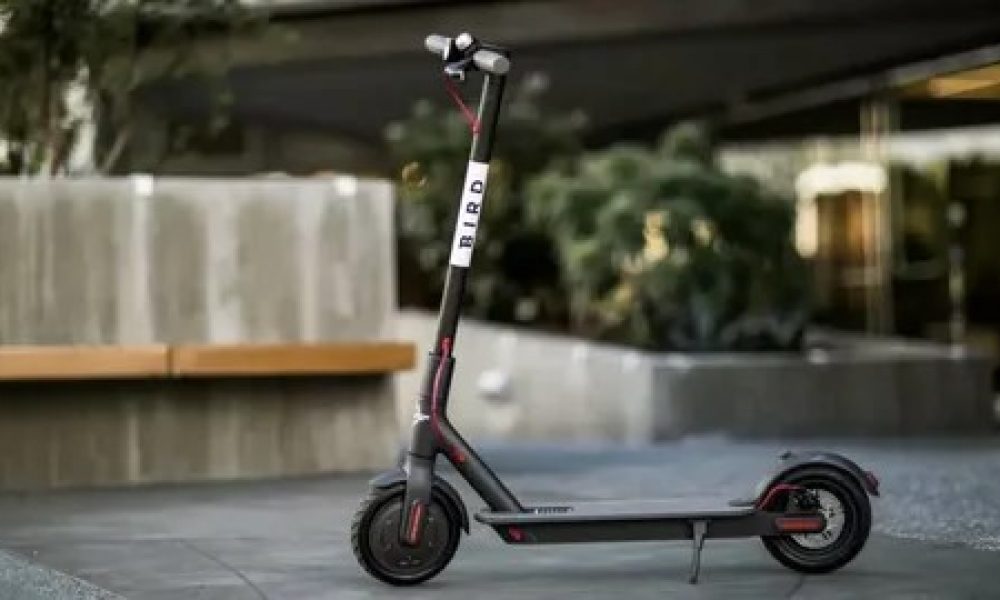
The global electric kick scooter market is entering a phase of rapid expansion driven by surging demand for compact, low-emission mobility solutions across densely populated urban regions. According to new industry projections, the market will rise from USD 3,375.9 million in 2025 to USD 10,299.3 million by 2035, registering a strong CAGR of 11.8%. This remarkable growth trajectory is reinforced by environmental policy shifts, evolving commuter preferences, and accelerated investment in micro-mobility infrastructure.
Urban Congestion and Emissions Regulations Propel Market Momentum
The adoption of electric kick scooters has escalated as cities around the world intensify efforts to reduce congestion, curb carbon emissions, and improve the efficiency of last-mile transport networks. Government agencies across North America, Europe, and Asia have introduced policies that promote micro-mobility as a viable alternative to cars and motorcycles for short-distance travel.
City-level initiatives—such as protected micro-mobility lanes, low-speed urban zones, and public charging stations—have improved safety and accessibility, enabling greater adoption among commuters, students, and fleet operators. Additionally, strengthened emissions regulations in Europe and North America have accelerated the shift away from internal combustion engine vehicles, channeling interest toward zero-emission platforms, including electric kick scooters.
Subscribe for Year-Round Insights → Stay ahead with quarterly and annual data updates
https://www.futuremarketinsights.com/reports/sample/rep-gb-13574
Rising Innovation from Leading OEMs Strengthens Market Outlook
Product innovation continues to be a central catalyst for market expansion.
In January 2025, Segway-Ninebot launched its next-generation eKickScooter series with enhanced battery safety systems, smart braking, and extended mileage support—features designed to improve rider confidence and meet the growing expectations of daily commuters.
Similarly, NIU Technologies expanded its lineup with higher-range scooters, improved frame durability, and advanced smart-connectivity features to support intensive urban use. These upgrades demonstrate a shift toward durable, technology-supported personal mobility devices intended for frequent, short-range travel.
Digital Integration Drives Performance, Monitoring, and Safety
The integration of scooters with digital ecosystems is reshaping fleet management and personal mobility. Newer models feature:
- Mobile app pairing
- GPS-based navigation and tracking
- Remote diagnostic capabilities
- Anti-theft locking mechanisms
- Over-the-air updates
These capabilities are enabling fleet operators to reduce downtime, improve deployment efficiency, and streamline maintenance scheduling. For consumers, digital integration enhances overall riding experience, safety, and usability.
Market Growth by Investment Segments
10–10.5 Inch Wheel Size: Leading Segment with 34% Market Share (2025)
The 10–10.5 inch wheel category, accounting for 34% of global share, remains the most widely adopted wheel configuration and is projected to grow at a CAGR of 12.4% through 2035. Its advantages include:
- Superior stability and shock absorption
- Better adaptability to uneven and mixed road conditions
- Optimized safety for urban fleet operations
- Reduced maintenance frequency
Manufacturers worldwide standardized this wheel size in 2025 to meet urban commuting requirements, with strong adoption across Europe and Southeast Asia.
Personal Use Dominates with 61% Market Share (2025)
Personal ownership contributed 61% of market volume in 2025, driven by:
- Growing environmental concerns among consumers
- Hybrid work culture and flexible commute patterns
- Rising fuel prices
- Broader availability of affordable models
- Smart features such as IoT connectivity and enhanced braking systems
Government incentives for personal electric mobility in Germany, France, and South Korea further supported adoption, strengthening the segment’s projected 12.1% CAGR (2025–2035).
Challenges and Opportunities
Market Challenge: Regulatory and Safety Concerns
The industry faces regulatory uncertainty, with cities implementing differing rules on speed limits, parking zones, and operational boundaries. Safety concerns include:
- Battery fire risks
- Short functional life of low-cost scooters
- Unsafe riding behavior in crowded pedestrian areas
- Lack of unified global standards
These risks underline the need for improved product design, stricter testing, and harmonized safety regulations.
Market Opportunity: Technological Advancements & Smart Mobility Integration
The biggest opportunity lies in smart mobility enhancements. Advances in lithium-ion battery design, rapid-charging capabilities, and extended range are improving scooter efficiency and consumer satisfaction.
Growth will be further fueled by:
- IoT-based real-time monitoring
- GPS-assisted navigation
- App-based fleet control
- Integration with public transport networks
- Expansion of sharing platforms
As cities invest in smart transport ecosystems, demand for interconnected micro-mobility solutions is expected to surge.
Country-Level Outlook (2025–2035 CAGR)
| Country | CAGR |
| USA | 11.5% |
| UK | 11.6% |
| EU | 12.0% |
| Japan | 11.4% |
| South Korea | 11.9% |
USA: Growth driven by rising micro-mobility adoption, increasing bike-lane development, and expanding rental services from companies like Bird and Lime.
UK: Rapid acceptance of rental e-scooters and rising investment in sustainable transport support strong market potential.
European Union: Strict emissions controls and state-backed incentives accelerating demand for personal and rental e-scooters.
Japan: Regulatory reforms and demand for foldable, smart e-scooters supporting expansion.
South Korea: Strong tech ecosystem, rapid urbanization, and robust government incentives driving adoption.
Competitive Landscape: Smart Mobility Players Strengthen Market Position
The market remains moderately consolidated, with leading companies expanding through strategic design upgrades, enhanced battery technologies, and intelligent fleet systems.
Personalize Your Experience: Ask for Customization to Meet Your Requirements
https://www.futuremarketinsights.com/customization-available/rep-gb-13574
Key Players and Market Share
- Micro Mobility Systems AG: 18–22%
- Golabs Inc.: 15–19%
- Bird Rides Inc.: 12–16%
- Segway Inc.: 8–12%
- IconBIT Limited: 6–10%
- Others (including NIU, Xiaomi, Apollo, Razor, Dualtron): 30–40%
These companies are focusing on lightweight designs, extended battery life, safety enhancements, and large-scale rental fleet expansion to capture the rising demand.
Market Segmentation Overview
By Product Type: Two-Wheeled, Three-Wheeled
By Battery Type: Lead-Based, Nickel-Based, Lithium-Ion
By Price Range: Below USD 200; 200–375; 375.1–750; 750.1–1,100; Above 1,100
By Wheel Size: <8 Inch; 8–8.5; 9–9.5; 10–10.5; >11
By End Use: Personal; Rental/Sharing; Law Enforcement
Regions Covered: North America, Latin America, Europe, Asia Pacific, Middle East & Africa
Why Choose FMI: Empowering Decisions that Drive Real-World Outcomes:
https://www.futuremarketinsights.com/why-fmi
About Future Market Insights (FMI)
Future Market Insights, Inc. (FMI) is an ESOMAR-certified, ISO 9001:2015 market research and consulting organization, trusted by Fortune 500 clients and global enterprises. With operations in the U.S., UK, India, and Dubai, FMI provides data-backed insights and strategic intelligence across 30+ industries and 1200 markets worldwide.



