
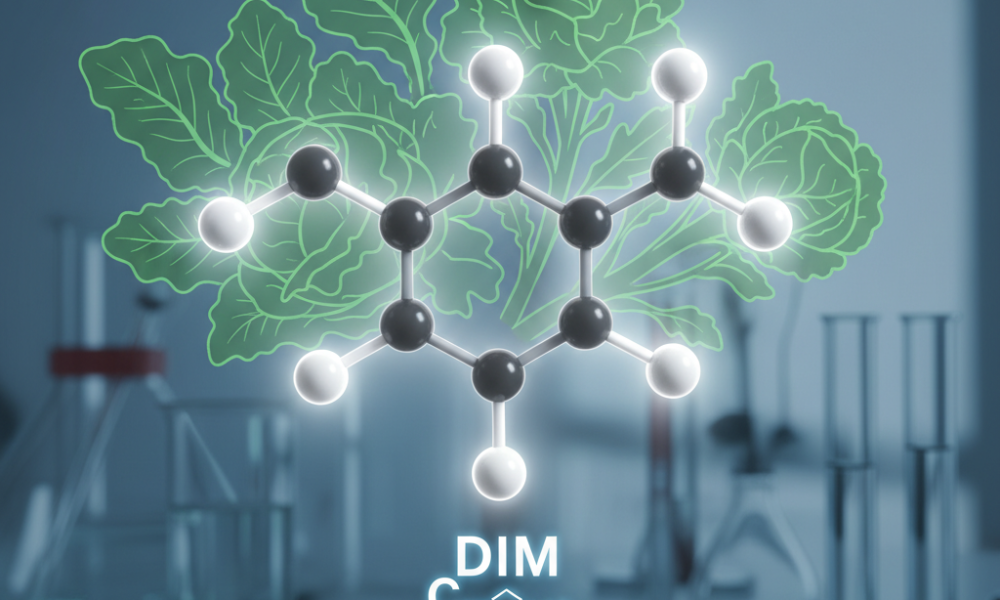
The global diindolylmethane market is projected to increase from USD 649.50 million in 2025 to USD 1,164.20 million by 2035, registering a CAGR of 6.0%. Between 2020 and 2025, the market expanded at a rate of 4.6%, supported by growing interest in natural supplements for hormone balance, immune function, and preventive cancer care.
Growing consumer preference for cruciferous vegetable–derived health ingredients—such as from kale, broccoli, cabbage, and cauliflower—is driving the natural adoption of diindolylmethane. DIM is synthesized in the body from indole-3-carbinol when exposed to stomach acid and is increasingly recognized for its medicinal applications in cancer prevention, PMS management, and prostate health.
Gain Preview Access to Methodology, Sample Charts, and Key Findings by Requesting Your Sample Report! https://www.futuremarketinsights.com/reports/sample/rep-gb-9320
Key Growth Drivers Strengthening Market Expansion
DIM enhances the liver’s estrogen metabolism, improves the conversion of estrogen into favorable metabolites, and inhibits aromatase activity—preventing testosterone from being converted into estrogen. These multifaceted health benefits continue to elevate its relevance in the modern nutraceutical industry.
Its expanding demand is further driven by:
- Rising use of DIM supplements to maintain hormone balance
- Increasing applications in antiviral, antibacterial, and anti-inflammatory formulations
- Growing recognition of DIM’s role in managing enlarged prostate symptoms and premenstrual discomfort
- Increased adoption as a supportive therapy for immune-related disorders
Cancer Prevention Research Reinforces Global Market Demand
Scientific studies affirming DIM’s ability to inhibit tumor cell growth and strengthen immune function are accelerating pharmaceutical investments. DIM’s potential as an adjunctive therapy in oncology—especially for breast, uterine, and colorectal cancers—has prompted drug developers to pursue DIM-based therapeutics to address unmet cancer care needs.
Historic vs. Forecast Outlook
From 2020 to 2024, DIM sales rose steadily at 4.6% annually. This growth momentum is expected to intensify between 2025 and 2035, with the market forecasted to grow at a 6.0% CAGR. Increasing awareness about hormone health, cancer prevention, and wellness supplements will remain the primary growth catalysts.
DIM also supports the reduction of harmful estrogen metabolites associated with obesity, breast cancer, and uterine cancer, making it increasingly popular within integrated healthcare approaches.
Market Structure and Competitive Positioning
Tier 1 companies command nearly 55% of the global market due to their advanced capabilities, wide distribution networks, and strong regulatory compliance. Tier 2 players hold about 25%, supported by regional dominance and moderate technology infrastructure. Tier 3 companies account for 20%, largely serving niche local markets through flexible and small-scale operations.
This diverse competitive landscape allows DIM manufacturers to cater to a broad range of dietary supplement needs—from clean-label wellness solutions to high-purity medicinal-grade formulations.
Country-Level Insights Driving Market Acceleration
USA:
The United States will continue leading the North American market, driven by high supplement penetration and rising breast and uterine cancer cases. The CDC recorded approximately 254,744 new breast cancer cases in 2018 alone. Growing awareness of hormone-related conditions is pushing demand for estrogen-regulating ingredients like DIM.
India:
India remains the fastest-growing market in Asia-Pacific. Higher disposable incomes, rising interest in preventive healthcare, and increased access to nutraceuticals support strong long-term market potential.
United Kingdom:
The UK is set to dominate DIM consumption within Europe, propelled by growing government investments in healthcare infrastructure and rising obesity rates. With 28% of adults classified as obese and over one-third overweight, the demand for hormone- and metabolism-supporting supplements continues to rise.
Category-Level Insights: Form and Purity Preferences
The capsule format leads DIM supplement sales due to its convenience, dosage accuracy, and extended shelf life. Liquid variants remain preferred for faster absorption and functional beverage applications.
High-purity DIM (90%) continues to capture strong market interest, driven by clean-label, pesticide-free, and non-GMO product preferences among health-conscious consumers. This segment appeals particularly to buyers seeking naturally sourced, plant-derived nutraceuticals.
Subscribe for Year-Round Insights → Stay ahead with quarterly and annual data updates! https://www.futuremarketinsights.com/reports/brochure/rep-gb-9320
Competitive Landscape
Major manufacturers are expanding their portfolios with organic, allergen-free, non-GMO DIM formulations to appeal to a growing global wellness audience. Companies are also focusing on affordability to attract middle-income consumers in emerging markets.
Key companies include:
VitaSolutions, Genestra Brands, Now Health Group Inc., BioResponse Nutrients, Source Naturals, Nutri Advanced Ltd., Nature’s Way, Solaray, SD Pharmaceuticals, Pure Organics, Jarrow Naturals, Nutricost, Pure Bulk, and Adrana LLC.
About Future Market Insights (FMI)
Future Market Insights, Inc. (FMI) is an ESOMAR-certified, ISO 9001:2015 market research and consulting organization, trusted by Fortune 500 companies and global enterprises. With operations in the U.S., UK, India, and Dubai, FMI offers data-driven insights and strategic intelligence across 30+ industries and 1,200 markets worldwide.



