
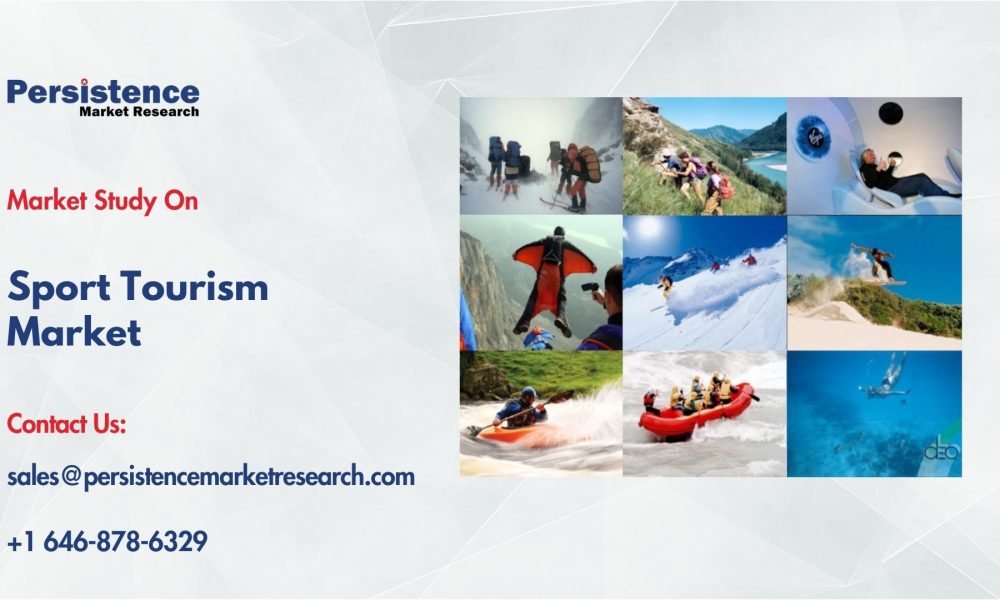
The global sports tourism market is witnessing a significant transformation as increasing global interest in sports events, wellness tourism, and adventure travel continues to boost participation and spending. According to industry estimates, the market is likely to be valued at US$ 702.6 billion in 2025 and is projected to reach US$ 1,212 billion by 2032, growing at a robust CAGR of 8.1% during the forecast period from 2025 to 2032. This impressive growth trajectory reflects the strong integration of travel and sports as an experiential segment that appeals to both participants and spectators worldwide.
The growing enthusiasm for major international sporting events such as the Olympics, FIFA World Cup, ICC Cricket World Cup, and Formula One races continues to create global tourism opportunities. Additionally, the increasing accessibility of international travel, development of sports infrastructure, and rising government initiatives promoting tourism have significantly enhanced the sector’s growth potential. Adventure and wellness sports such as mountain biking, hiking, golf, and water sports are also expanding the market scope beyond traditional spectator-based tourism.
The industry is further supported by an increasing number of young travelers who prefer immersive and activity-driven travel experiences over conventional sightseeing. Sports tourism is evolving from being a niche category into a mainstream component of global tourism, with hospitality, airlines, and local businesses benefiting from the surge in sports-related travel activities.
What is driving the rapid expansion of the sports tourism industry globally?
The global sports tourism market is being propelled by a combination of factors including rising consumer disposable income, increasing global connectivity, and growing enthusiasm for live sports events. Additionally, the growing integration of wellness, fitness, and outdoor recreational activities into tourism has further diversified the market. The rise of sports-based social media influencers and global broadcasting platforms has made international sporting events more accessible, encouraging people to travel to experience these events firsthand. These trends, combined with the development of state-of-the-art stadiums and sports complexes, are making sports tourism a vital contributor to the global travel economy.
Receive Sample of Research Report @ https://www.persistencemarketresearch.com/samples/35618
Segmentation Analysis
By Type, the sports tourism market is broadly segmented into participation-based tourism and spectator-based tourism. Among these, spectator-based tourism continues to dominate the market due to the immense popularity of large-scale international sporting events that attract millions of travelers. However, participation-based tourism—encompassing marathons, golf tours, skiing, diving, and other recreational sports—is projected to grow at a faster pace through 2032 as consumers increasingly seek active and health-oriented travel experiences. Corporate sponsorships and partnerships with sports clubs are also enhancing participation-based tourism by offering exclusive travel packages and experiences.
By Service Type, the market encompasses event packages, transportation services, accommodation, and hospitality management. Event packages are currently leading the market as travel agencies and tour operators create customized sports travel experiences that include tickets, travel, and accommodation. The hospitality segment is experiencing substantial growth as hotels and resorts develop tailored offerings for major sporting events. Additionally, the rise of short-term rental platforms has made it easier for tourists to find accommodations near sports venues.
By Channel, online and offline booking platforms are the two primary modes of engagement. Online channels are anticipated to record the fastest growth, attributed to the increasing digitalization of travel services and consumer preference for convenience. Sports fans are leveraging online platforms to purchase event tickets, arrange accommodations, and book transportation seamlessly.
The integration of artificial intelligence and data analytics in booking platforms is enhancing customer experience by providing personalized travel options based on user preferences and event calendars.
Regional Insights
Geographically, the global sports tourism market demonstrates strong regional variations. Europe currently leads the market, holding a major share in 2025, owing to the continent’s deep-rooted sporting culture and infrastructure. Iconic events such as the UEFA European Championship, Wimbledon, and Formula One races in Monaco and the UK attract millions of international tourists every year. Additionally, Europe’s well-developed transportation systems and hospitality industry further enhance its market dominance.
North America follows closely, driven by the popularity of sports like American football, basketball, baseball, and ice hockey. The region’s advanced facilities, extensive event marketing, and the rise of major leagues like the NFL, NBA, and MLB have positioned it as a critical hub for both domestic and international sports tourism.
The Asia-Pacific region is projected to witness the fastest growth during the forecast period, owing to the rising middle-class population, government investments in sports infrastructure, and the hosting of mega sporting events. Countries like China, India, Japan, and Australia are rapidly emerging as key destinations due to increasing participation in sports events and the rising popularity of international tournaments. The growing influence of esports and youth-oriented adventure tourism in Asia-Pacific is further propelling regional growth.
The Middle East and Africa are also emerging as vibrant markets with countries like Qatar, the United Arab Emirates, and Saudi Arabia making significant investments in sports infrastructure to attract global events such as the FIFA World Cup and Formula One races.
Unique Features and Innovations in the Market
Modern sports tourism solutions are being shaped by advanced digital technologies that enhance consumer engagement and operational efficiency. The adoption of artificial intelligence (AI), data analytics, and virtual reality (VR) tools is transforming how fans interact with sporting events. AI-powered recommendation engines enable personalized travel packages, while VR technologies allow travelers to preview stadium experiences or destinations before booking.
The Internet of Things (IoT) is further enhancing the sports tourism experience through smart ticketing, crowd management, and security systems. Mobile applications are being used to provide real-time updates on schedules, seating arrangements, and travel routes, ensuring a smooth and immersive visitor journey. The integration of 5G technology is also revolutionizing live broadcasting and interactive fan experiences, connecting sports enthusiasts across the world in real-time. These technological enhancements are setting new benchmarks for customer satisfaction, accessibility, and sustainability within the sports tourism ecosystem.
Market Highlights
The global sports tourism market is benefiting from several structural and behavioral trends. One of the major factors driving adoption is the shift towards experiential travel, as consumers increasingly seek experiences that blend leisure with physical activity. Sports tourism contributes significantly to regional economies through job creation, infrastructure development, and hospitality revenues. Governments are recognizing its economic potential and launching policies and campaigns to promote sports-based travel.
Sustainability is also becoming a key focus area within sports tourism. Many destinations and event organizers are implementing eco-friendly initiatives, such as carbon-neutral sporting events, sustainable travel options, and responsible waste management practices. The growing emphasis on green tourism aligns with global sustainability goals, enhancing the long-term viability of the industry.
Cost efficiency has also improved, with better travel connectivity and low-cost carriers making sports tourism more accessible to a wider demographic. Digital marketing and influencer partnerships are expanding the market reach, encouraging more travelers to attend international sporting events.
Do You Have Any Query or Specific Requirement? Request Customization of Report: https://www.persistencemarketresearch.com/request-customization/35618
Market participants and investors can request report customization to explore specific segments, target demographics, or regional insights aligned with their strategic interests.
Key Players and Competitive Landscape
The sports tourism market features several prominent companies that play a crucial role in shaping global dynamics. Leading players include TUI Group, Thomas Cook Group, Cox & Kings Ltd., Expedia Group, Sports Travel & Hospitality Group, Fanatic Sports, and Booking Holdings Inc. These companies are focusing on mergers, strategic partnerships, and technological advancements to enhance their market presence.
TUI Group remains one of the leading travel and tourism companies globally, leveraging its broad network to offer integrated sports event packages. The company continues to invest in digitalization and customer experience solutions to strengthen its brand value.
Thomas Cook Group and Cox & Kings Ltd. are capitalizing on emerging markets by expanding their portfolios to include sports and adventure tourism packages tailored for young travelers. Their partnerships with international event organizers have enhanced their competitiveness in the market.
Expedia Group and Booking Holdings Inc. are utilizing their online platforms to simplify sports travel booking, offering event-based accommodations and travel options with personalized recommendations.
Sports Travel & Hospitality Group and Fanatic Sports are focusing on premium experiences, providing exclusive access to events such as the Olympics and FIFA World Cup, thereby appealing to high-value customers seeking luxury sports travel.
The competitive landscape is marked by continuous innovation in product offerings, strong digital transformation efforts, and regional expansion strategies designed to capture the growing demand for immersive sports experiences.
Outlook
Looking ahead, the global sports tourism market is poised for sustained growth through 2032 as consumer preferences continue to shift toward activity-driven and experience-oriented travel. Technological innovation, improved global connectivity, and the rise of virtual and hybrid sporting events are expected to shape future developments. The increasing integration of esports, wellness retreats, and adventure tourism into mainstream travel offerings will further diversify the market.
Governments and private sectors are likely to collaborate on building sustainable sports infrastructure, enhancing event logistics, and expanding digital engagement channels. The growing role of artificial intelligence, big data, and blockchain in enhancing transparency, personalization, and security will continue to define the next generation of sports tourism solutions.
As global audiences seek meaningful travel experiences, the sports tourism industry will remain a dynamic and profitable sector for investors, service providers, and destinations alike.
Explore the Latest Trending Research Reports:




