
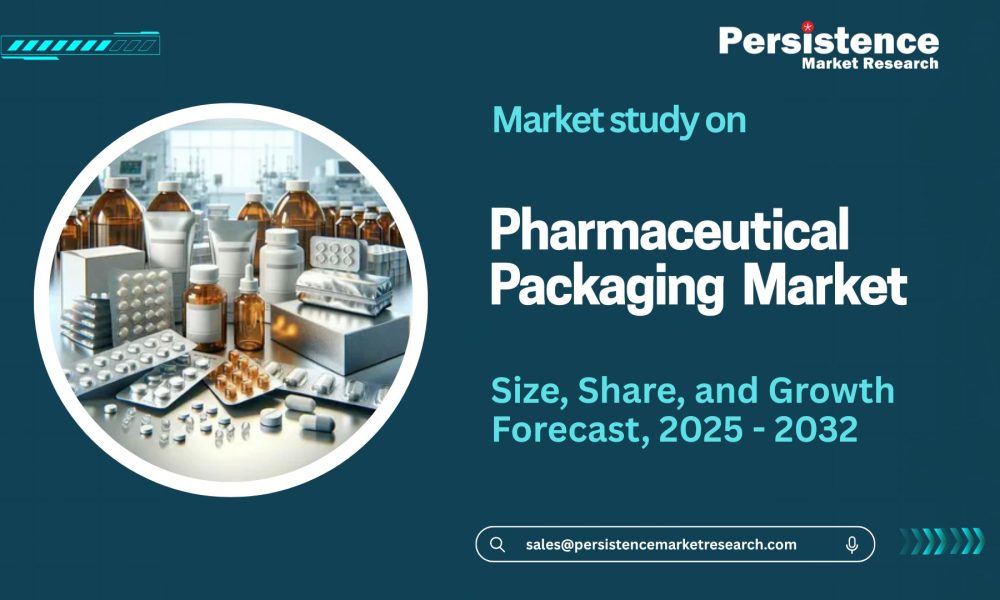
The pharmaceutical packaging market is undergoing a period of significant transformation, driven by rapid technological advancements, stringent regulatory standards, and the growing global demand for safe and effective drug delivery systems. Pharmaceutical packaging is a critical component in ensuring that medications reach patients in optimal condition while maintaining safety, efficacy, and compliance with legal requirements. The market is evolving to incorporate innovative materials, intelligent solutions, and sustainable practices, all of which are reshaping the industry landscape.
According to Persistence Market Research, the global pharmaceutical packaging market is projected to be valued at USD 131.2 billion in 2025 and is expected to reach USD 198.7 billion by 2032, growing at a compound annual growth rate (CAGR) of 6.1% during the forecast period from 2025 to 2032. This growth reflects the increasing emphasis on patient safety, supply chain efficiency, and environmental sustainability within the pharmaceutical sector.
Pharmaceutical packaging encompasses all the materials and technologies used to contain, protect, deliver, and present drugs from the point of manufacture to the patient. This includes primary packaging, which comes into direct contact with the drug, such as vials, ampoules, blister packs, and bottles; secondary packaging, such as cartons and labels that provide additional protection and information; and tertiary packaging, such as pallets and shipping containers, which facilitate storage and transportation. The market has witnessed steady growth in recent years due to increasing pharmaceutical production, rising awareness of patient safety, and technological innovations aimed at ensuring compliance with global regulatory requirements.
Get a Sample Copy of Research Report (Use Corporate Mail id for Quick Response): https://www.persistencemarketresearch.com/samples/3144
Key Drivers of Pharmaceutical Packaging Market Growth
The pharmaceutical packaging market is influenced by multiple factors, including rising healthcare demand, technological advancements, regulatory compliance, and sustainability initiatives. Key drivers include:
- Increasing Global Demand for Pharmaceuticals
The growth of the pharmaceutical industry is closely tied to global demographic trends. The aging population in developed and emerging economies has led to an increased prevalence of chronic diseases such as diabetes, cardiovascular disorders, and respiratory conditions. This has created a growing demand for both prescription and over-the-counter medications. As pharmaceutical consumption rises, the need for reliable packaging solutions that ensure drug stability, prevent contamination, and facilitate accurate dosage administration becomes critical.
- Technological Advancements in Packaging
Technological innovations in pharmaceutical packaging have transformed the industry. Smart packaging technologies, including sensors, RFID tags, and QR codes, are increasingly being integrated into packaging to provide real-time monitoring, tracking, and patient compliance management. Tamper-evident features and child-resistant designs are also being widely adopted to enhance patient safety and prevent misuse. Additionally, advancements in material science have led to more durable, lightweight, and cost-effective packaging options.
- Regulatory Compliance and Quality Standards
Pharmaceutical packaging is subject to strict regulations worldwide. Regulatory bodies such as the US Food and Drug Administration (FDA), European Medicines Agency (EMA), and other regional authorities have established guidelines to ensure drug safety, integrity, and traceability. Compliance with these regulations drives the adoption of advanced packaging solutions, serialization, and tamper-evident features, which collectively help prevent counterfeiting and ensure the authenticity of pharmaceutical products.
Market Segmentation
The pharmaceutical packaging market can be segmented based on material type, packaging type, and drug delivery method. Understanding these segments helps stakeholders identify opportunities for growth and innovation.
Material Type
- Plastics: Plastics remain the most widely used material in pharmaceutical packaging due to their versatility, lightweight nature, and excellent barrier properties. High-density polyethylene (HDPE), polypropylene (PP), and polyethylene terephthalate (PET) are commonly used plastics for bottles, containers, and blister packs.
- Glass: Glass is preferred for packaging injectables, vaccines, and biologics because of its inert nature and ability to preserve drug stability over time. Vials, ampoules, and syringes are often made from glass to ensure sterility and safety.
Packaging Type
- Primary Packaging: This includes packaging that comes into direct contact with the drug, such as vials, ampoules, bottles, blister packs, syringes, and prefilled pens. Primary packaging plays a critical role in protecting the drug from contamination, degradation, and tampering.
- Secondary Packaging: Secondary packaging provides additional protection, branding, and information. Examples include cartons, boxes, labels, and instructions for use. This type of packaging enhances product visibility and facilitates regulatory compliance.
- Tertiary Packaging: Tertiary packaging is used for bulk storage, transportation, and distribution of pharmaceutical products. It includes pallets, shrink wraps, and crates, which ensure safe handling during shipping and minimize damage.
Regional Insights
Pharmaceutical packaging market growth varies across regions due to differences in healthcare infrastructure, regulatory frameworks, and economic development.
North America
North America accounts for a substantial share of the global pharmaceutical packaging market. The presence of major pharmaceutical companies, high healthcare spending, and stringent regulatory requirements contribute to the market’s growth. The adoption of advanced packaging solutions, such as smart packaging, serialization, and tamper-evident features, is prevalent in the region.
Europe
Europe exhibits steady growth in the pharmaceutical packaging market. Strong regulatory oversight, technological advancements, and a focus on sustainability are key drivers in the region. European countries are increasingly adopting eco-friendly packaging solutions and digital track-and-trace systems to enhance product safety and reduce environmental impact.
Asia Pacific
The Asia Pacific region is anticipated to witness the highest growth rate in the pharmaceutical packaging market. Rapid industrialization, expanding pharmaceutical manufacturing capacities, and rising healthcare expenditures are fueling demand. Emerging economies such as China, India, and Southeast Asian countries are investing heavily in healthcare infrastructure, which is boosting the demand for pharmaceutical packaging solutions.
Latin America and Middle East & Africa
Latin America and the Middle East & Africa regions are gradually adopting advanced pharmaceutical packaging solutions. Improvements in healthcare systems, increasing awareness of drug safety, and rising investments in pharmaceutical manufacturing contribute to market growth. The regions present opportunities for companies to introduce innovative packaging technologies and sustainable solutions.
Emerging Trends in Pharmaceutical Packaging
The pharmaceutical packaging industry is witnessing several key trends that are shaping its future:
Smart Packaging Solutions
Smart packaging integrates technology into packaging to provide real-time monitoring, patient compliance tracking, and anti-counterfeiting measures. Features such as RFID tags, QR codes, and sensors allow healthcare providers and patients to track drug usage, monitor storage conditions, and verify authenticity.
Sustainable and Eco-Friendly Packaging
The shift toward sustainable packaging is gaining momentum, with companies adopting recyclable, biodegradable, and renewable materials. Sustainable packaging reduces environmental impact, meets regulatory standards, and aligns with consumer preferences for eco-conscious products.
Child-Resistant and Elderly-Friendly Designs
Designing packaging that is secure for children yet accessible for elderly patients is a growing priority. Child-resistant closures prevent accidental ingestion, while user-friendly designs with ergonomic features improve accessibility and adherence for older populations.
- High Production Costs: Advanced packaging solutions, smart technologies, and sustainable materials often increase production costs. Manufacturers must balance innovation with cost efficiency to remain competitive.
- Regulatory Complexity: Compliance with different regulatory standards across regions can be challenging. Companies must navigate diverse requirements for labeling, serialization, and safety features.
- Supply Chain Disruptions: Global supply chain issues, including raw material shortages and logistical challenges, can impact the timely availability of packaging materials and affect production schedules.
- Counterfeit Drugs: The proliferation of counterfeit drugs remains a significant concern. Ensuring authenticity and traceability through serialization and tamper-evident packaging requires continuous investment.
Future Outlook
The pharmaceutical packaging market is poised for significant growth in the coming years. Key trends shaping the market include the adoption of smart and connected packaging, sustainable materials, child-resistant and elderly-friendly designs, and track-and-trace systems. Manufacturers must focus on innovation, regulatory compliance, and sustainability to remain competitive. Emerging markets, particularly in Asia Pacific, offer substantial growth opportunities due to increasing pharmaceutical production and expanding healthcare infrastructure.
Conclusion
The pharmaceutical packaging market is experiencing dynamic growth, driven by technological innovations, regulatory requirements, increasing global demand for pharmaceuticals, and sustainability initiatives. The market is evolving to meet the challenges of drug safety, supply chain efficiency, and environmental responsibility. Companies that embrace innovation, sustainable practices, and patient-centric designs will be well-positioned to succeed in this competitive and rapidly evolving industry. The combination of advanced packaging solutions, regulatory compliance, and sustainability efforts will continue to shape the future of pharmaceutical packaging, ensuring that medications are delivered safely, effectively, and responsibly to patients worldwide.




