
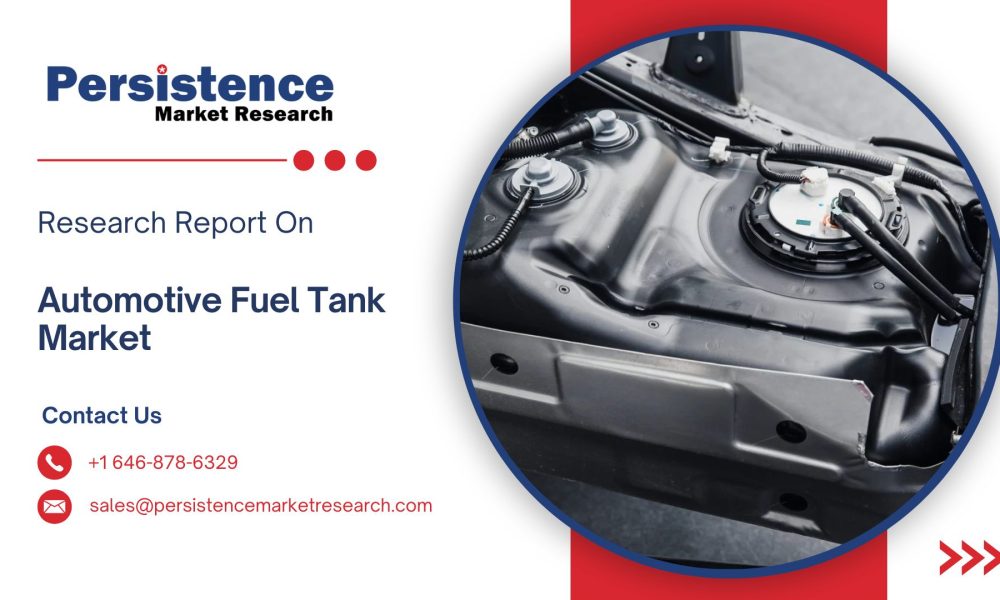
The global automotive fuel tank market is undergoing steady expansion, driven by rising demand for passenger vehicles and advancements in lightweight tank materials. Valued at US$ 33.8 Bn in 2025, the market is projected to reach US$ 46.3 Bn by 2032, expanding at a CAGR of 4.9%. The surge in global automotive production, coupled with stricter emission regulations, has prompted manufacturers to invest in innovative tank designs that improve fuel efficiency while maintaining safety standards.
Market statistics reflect the importance of fuel tanks as a core component in internal combustion vehicles, even as the industry transitions toward electrification. Key growth drivers include rising vehicle ownership in emerging economies, technological innovations in multi-layered tanks, and a shift toward high-capacity tanks for SUVs and commercial vehicles. Passenger vehicles remain the leading segment, while Asia Pacific leads the market regionally, owing to the high concentration of automotive manufacturing hubs in China, India, and Japan. Favorable government policies, rising disposable incomes, and robust aftermarket demand further strengthen the region’s dominance.
Get a Sample Copy of Research Report (Use Corporate Mail id for Quick Response): https://www.persistencemarketresearch.com/samples/3548
Key Highlights from the Report
➤ The global automotive fuel tank market is valued at US$ 33.8 Bn in 2025.
➤ The market is projected to reach US$ 46.3 Bn by 2032.
➤ CAGR during the forecast period is anticipated at 4.9%.
➤ Passenger vehicles account for the leading market share.
➤ Asia Pacific remains the dominant regional market.
➤ Advancements in lightweight materials are shaping new growth opportunities.
Market Segmentation
The automotive fuel tank market can be segmented on the basis of product type, capacity, and material composition. Plastic fuel tanks dominate due to their lightweight properties, corrosion resistance, and ability to integrate seamlessly with modern vehicle designs. Steel tanks continue to hold relevance, particularly in heavy commercial vehicles where durability and impact resistance are crucial. Capacity-based segmentation highlights the rising demand for larger tanks, especially in SUVs and long-haul commercial trucks, where fuel efficiency and extended driving range are key considerations.
End-user segmentation further underscores passenger vehicles as the largest contributing segment, supported by rising global sales and the growing preference for compact cars in urban centers. Commercial vehicles, however, are projected to gain traction due to infrastructure development, logistics growth, and increasing freight movement. Manufacturers are tailoring designs for both OEMs and aftermarket buyers, ensuring steady revenue flow from multiple channels. This dual approach helps meet evolving demands across varied automotive categories.
Regional Insights
Asia Pacific represents the largest and fastest-growing regional market, supported by high automotive production rates and strong government backing for industrial development. Countries like China, India, and Japan are at the forefront, offering a competitive manufacturing ecosystem, robust consumer base, and significant investments in automotive R&D. The rapid expansion of road networks and rising middle-class income further bolster demand for passenger vehicles, directly boosting the fuel tank industry.
North America and Europe maintain steady growth, with stringent emission regulations driving innovation in tank materials and safety features. North America benefits from strong demand for SUVs and pickup trucks, while Europe emphasizes lightweight tanks to meet sustainability goals. Meanwhile, Latin America and the Middle East are emerging markets with high potential, fueled by growing automotive imports and expanding commercial vehicle fleets.
Market Drivers
A key driver for the automotive fuel tank market is the sustained global demand for passenger and commercial vehicles. Despite electrification trends, internal combustion vehicles still dominate, ensuring stable demand for fuel tanks. Innovations in material science, such as multi-layered plastic tanks with reduced permeability, are enhancing performance, fuel efficiency, and compliance with emission norms. Additionally, the popularity of SUVs, crossovers, and trucks has spurred demand for larger tanks with extended range capabilities.
Urbanization and rising disposable incomes across emerging economies contribute to surging vehicle ownership rates, expanding the customer base for OEM fuel tanks. Moreover, government regulations emphasizing fuel economy and emission reduction push automakers to integrate advanced fuel tanks that meet these standards. Together, these factors reinforce market growth and drive continuous investment in R&D across the industry.
Market Restraints
Despite positive growth, the automotive fuel tank market faces challenges that may restrict its expansion. The accelerating adoption of electric vehicles (EVs) significantly reduces long-term demand for traditional fuel tanks. With many governments providing subsidies and incentives for EV purchases, the market share of combustion-engine vehicles may face gradual decline. Additionally, raw material price fluctuations, particularly for high-grade plastics and metals, can impact production costs and overall profitability for manufacturers.
Regulatory compliance presents another hurdle, as increasingly stringent emission norms demand continuous product innovation, which can increase R&D expenditure. The competitive landscape also puts pressure on pricing, limiting profit margins for smaller players. Furthermore, geopolitical instability and supply chain disruptions—especially evident during global crises—can delay production timelines and affect distribution networks for OEMs and aftermarket suppliers alike.
Market Opportunities
Despite challenges, several opportunities exist for the automotive fuel tank market to thrive. Emerging economies in Asia, Africa, and Latin America continue to witness rapid motorization, presenting significant growth potential. Investments in infrastructure, coupled with the rising demand for commercial vehicles, open new revenue streams for fuel tank manufacturers. Additionally, hybrid vehicle adoption ensures that demand for fuel tanks will remain stable, even in a transitioning mobility landscape.
The development of lightweight and recyclable tank materials provides an opportunity for sustainable product innovation. Manufacturers investing in multi-functional tanks that integrate emission control systems, sensors, and advanced coatings will gain competitive advantage. Furthermore, the expanding aftermarket segment, driven by vehicle maintenance and replacement demand, presents lucrative opportunities for suppliers worldwide. By aligning with evolving consumer preferences and environmental requirements, companies can secure long-term growth prospects in this dynamic market.
Frequently Asked Questions (FAQs)
➤ How Big is the Automotive Fuel Tank Market?
➤ Who are the Key Players in the Global Market for Automotive Fuel Tank?
➤ What is the Projected Growth Rate of the Automotive Fuel Tank Market?
➤ What is the Market Forecast for Automotive Fuel Tanks for 2032?
➤ Which Region is Estimated to Dominate the Industry through the Forecast Period?
Company Insights
Key players operating in the global automotive fuel tank market include:
- Plastic Omnium
- TI Fluid Systems
- Yachiyo Industry Co. Ltd.
- Magna International Inc.
- Unipres Corporation
- FTS Co. Ltd.
- Kautex Textron GmbH & Co. KG
- SMA Serbatoi S.p.A
Recent Developments
- Leading manufacturers are investing in recyclable plastic fuel tank technologies to align with sustainability regulations.
- Several companies have expanded their manufacturing capacities in Asia Pacific to meet surging regional demand.
Explore more related market insights and reports by visiting our website.




