
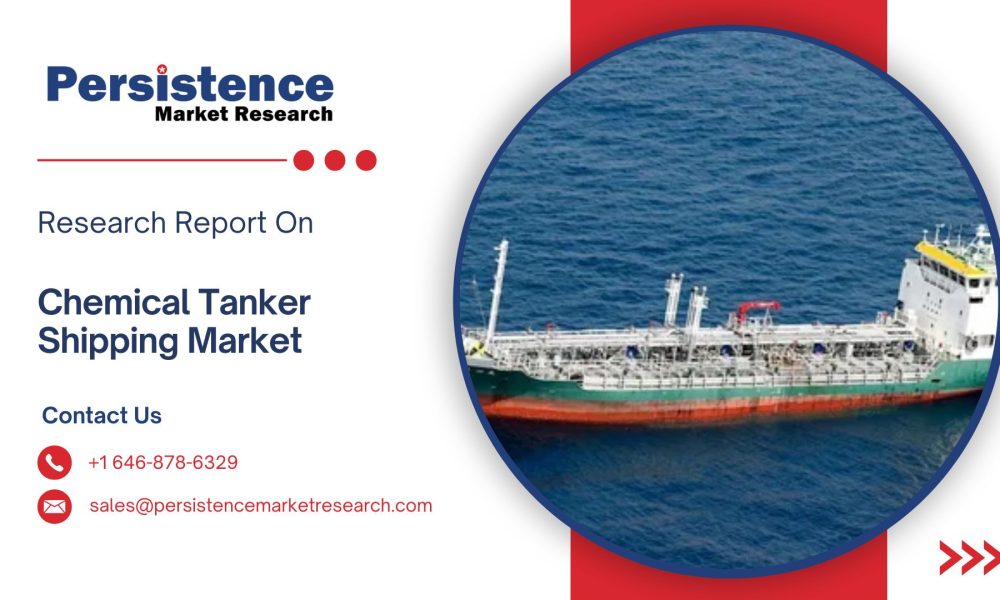
The global chemical tanker shipping market has become an essential part of the international trade ecosystem, catering to the growing demand for bulk liquid chemicals, specialty chemicals, and related products. According to Persistence Market Research, the market is projected to be valued at US$ 37.77 Bn in 2025 and is anticipated to reach US$ 51.40 Bn by 2032, registering a CAGR of 4.5% during 2025–2032. This steady growth reflects increasing trade volumes, rising demand for petrochemicals, and stricter regulatory frameworks that necessitate technologically advanced, fuel-efficient vessels.
Key growth drivers include the expanding global consumption of specialty chemicals and the rising need for cleaner, eco-friendly shipping solutions in line with the International Maritime Organization (IMO) regulations. The IMO 2020 sulfur emission cap and Energy Efficiency Existing Ship Index (EEXI) are accelerating the shift toward sustainable shipping practices. Among product types, IMO Type II and Type III chemical tankers are expected to account for a significant share due to their versatility and capacity. Regionally, Asia-Pacific leads the market, driven by its robust petrochemical industry, rapidly growing trade activities, and rising import-export requirements from countries like China, Japan, South Korea, and India.
Get a Sample Copy of Research Report (Use Corporate Mail id for Quick Response): https://www.persistencemarketresearch.com/samples/35220
Key Highlights from the Report
➤ The global chemical tanker shipping market is projected to expand from US$ 37.77 Bn in 2025 to US$ 51.40 Bn by 2032.
➤ Asia-Pacific is expected to dominate the market due to its strong petrochemical manufacturing and export base.
➤ Stricter environmental regulations like IMO 2020 and EEXI drive investments in cleaner, energy-efficient tankers.
➤ Rising demand for specialty chemicals and liquid bulk cargo boosts the demand for advanced chemical tankers.
➤ Technological advancements such as digital fleet management enhance operational efficiency in chemical tanker shipping.
➤ Strategic alliances and fleet expansion among major players are shaping market competition.
Market Segmentation
The chemical tanker shipping market is segmented based on product type, vessel size, and end-user industry. By product type, the market includes IMO Type I, Type II, and Type III chemical tankers. While IMO Type I vessels are designed for highly hazardous chemicals, Type II and Type III tankers dominate the market owing to their adaptability and widespread use in transporting bulk liquids and petrochemicals. The growing demand for bulk transport of organic chemicals, vegetable oils, and biofuels further fuels demand for IMO Type II and Type III vessels.
By end-user industry, the market serves diverse sectors such as oil and gas, petrochemicals, food processing, agriculture, and pharmaceuticals. The petrochemical sector holds a dominant position, supported by rising global demand for polymers, resins, and intermediates used in packaging, construction, and automotive industries. Meanwhile, the growing emphasis on clean energy solutions and bio-based products is expanding the role of chemical tanker shipping in transporting biofuels and other renewable liquid products.
Regional Insights
Regionally, Asia-Pacific emerges as the largest and fastest-growing market for chemical tanker shipping. Strong demand for petrochemicals from China, India, and Southeast Asia fuels the expansion of fleets and shipping capacity. The region also benefits from increased refinery output and a flourishing export-driven manufacturing sector.
Europe and North America represent mature yet significant markets, driven by regulatory compliance and rising demand for specialty chemicals. While Europe focuses heavily on sustainable shipping technologies, North America emphasizes shale-derived chemicals and strong intra-regional trade, supporting steady demand for chemical tanker capacity.
Market Drivers
The chemical tanker shipping market is strongly driven by the global rise in chemical consumption and trade volumes. Petrochemicals, specialty chemicals, and biofuels are increasingly in demand across multiple industries, requiring reliable shipping solutions. Furthermore, the implementation of environmental regulations such as IMO 2020 and EEXI is encouraging shipowners to invest in advanced, energy-efficient fleets. The rapid expansion of the pharmaceutical and food industries also boosts demand for specialized tankers capable of transporting high-purity chemicals and edible liquids.
Market Restraints
Despite its growth prospects, the chemical tanker shipping market faces certain restraints. Stringent compliance costs related to safety, emissions, and vessel design can be a burden for small and mid-sized operators. Fluctuations in crude oil prices and maritime fuel costs also pose significant operational challenges, impacting profitability. Moreover, geopolitical uncertainties, port congestions, and disruptions in global trade routes can hinder smooth operations and slow down fleet expansion strategies.
Market Opportunities
Opportunities in the market lie in technological innovations and sustainable fleet development. The adoption of LNG-powered tankers, digital monitoring systems, and advanced coatings for corrosion resistance are opening new avenues for efficiency and compliance. Rising demand for biofuels, renewable chemicals, and eco-friendly liquid bulk transport is creating strong growth potential. Additionally, mergers, acquisitions, and partnerships among leading players are expected to create synergies and enhance global fleet capacity, strengthening long-term competitiveness.
Frequently Asked Questions (FAQs)
➤ How big is the chemical tanker shipping market expected to be by 2032?
➤ Who are the key players in the global chemical tanker shipping market?
➤ What is the projected CAGR of the chemical tanker shipping market during 2025–2032?
➤ What is the market forecast for chemical tanker shipping in 2032?
➤ Which region is estimated to dominate the chemical tanker shipping industry through the forecast period?
Company Insights
Some of the key players operating in the global chemical tanker shipping market include:
- Stolt-Nielsen Limited
- Odfjell SE
- Navig8 Chemical Tankers Inc.
- MOL Chemical Tankers Pte. Ltd.
- Team Tankers International Ltd.
- Iino Kaiun Kaisha, Ltd.
- Bahri Chemicals
- Eitzen Chemical (Team Tankers)
- Hansa Tankers
Recent Developments:
- Leading players have expanded their fleets with LNG-powered chemical tankers to meet new environmental compliance standards.
- Strategic collaborations and mergers are being pursued to strengthen market presence and expand shipping routes across Asia and Europe.
Explore more related market insights and reports by visiting our website.




