The world of electronics moves fast, and with that speed comes a hunger for smaller, tougher, and more dependable assemblies. Whether the end product is a phone, a factory controller, or a piece of telecom gear, builders now face mounting pressure to squeeze out every bit of performance while keeping costs in check. A proven way to meet those demands is to blend precision metal stamping parts with CNC machining components, creating intricate yet sturdy assemblies that work as intended.
In the sections that follow, we will show how this powerful pairing bolsters functional integrity and keeps electronic designs running smoothly over the long haul, from tough physical structure to peak electrical efficiency.
Why Functional Integrity Matters in Electronics
In the world of electronics, functional integrity simply means that every part or the whole system does what it was built to do, even when things get hot, bumpy, or cramped. That goal covers four key areas:
- Steady electrical connections
- Reliable mechanical strength
- Guard against heat and vibration
- Long-lasting performance in tiny spaces
Keeping that promise is as much about solid manufacturing as it is about smart design. A tiny change in part size can send problems through the entire circuit. That is why CNC machining parts that fit perfectly and precision metal stamping parts are considered essential.
Precision Metal Stamping Parts: Building Blocks for Scalable Connectivity
Metal stamping is the go-to method for making large quantities of terminals, connectors, casings, and shielding found in almost every gadget. When crews use precision stamping, they gain:
- Parts that are the same, time after time
- Measurements that hit the tightest specs
- Speedy production that cuts costs
Precision metal stamping parts and CNC machining components often team up in hybrid assemblies. For instance, a stamped terminal might slide into a CNC-milled aluminum shell that adds strength and carries heat away. Together, these parts create devices that are both electrically smart and tough enough to last.
Stamped metal parts sit at the heart of many electronic systems, showing up in:
- PCB connector pins
- EMI/RFI shielding
- Battery terminals
- LED frames and support brackets
Because each stamped piece is made to the same exact size, designers can pack boards tighter and use narrow pin spacing without worrying about short circuits or bent pins.
CNC Machining Precision Parts: Enabling Customization and Strength
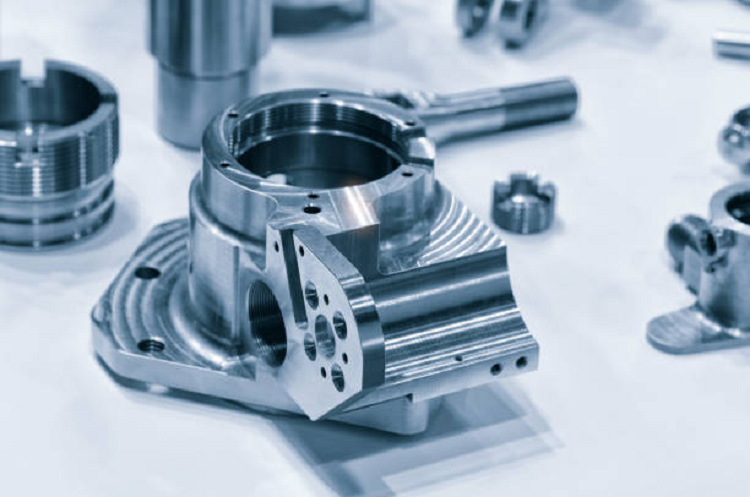
Stamping keeps costs down only when you make thousands of copies; CNC machining precision parts step in when a run is small, the shape is tricky, or the cut needs to reach deep into the metal. In today’ s assemblies, machinists commonly produce:
- Enclosures with integrated heat sinks
- Threaded mounts and standoffs
- Sensor housings with intricate internal geometries
Because CNC tools can bite into almost any metal-aluminum, stainless steel, brass, or high-tech alloy-engineers pick the blend that balances conductivity, strength, weight, and heat resistance. Finish options such as anodizing, plating, or passivation seal moving parts against corrosion and wear, giving them the extra life needed in harsh sites.
In short, designers often co-develop precision metal stamping and CNC-machined parts in electronic gear to enable fast output, long-lasting strength, and flexible layout.
Tackling Miniaturization with Strict Tolerances
Modern gadgets keep shrinking while packing more power inside. Hardware that used to demand bulky housings and brackets now slips into a pocket without complaint. Because of this trend, every part must be:
- Super-slim
- Cut to the exact size
- Able to snap together or solder-less assemble
Precision metal stamping can turn out pieces thinner than 0.1 mm with sharp bends or coined edges, perfect for spring contacts or tiny connectors. At the same time, CNC machining holds tolerances as tight as ±5 microns, so parts fit exactly at joints or thermal spots inside packed layouts.
When those tolerances stay locked in, several key gains follow:
- Assembly lines can automate parts handling with no fuss
- Heat moves better because surfaces kiss closely
- Current paths keep resistance and noise low
Together, the twin processes help engineers build smaller, sturdier products that people trust.
Making Electronics Tougher for the Real World
Automotive ECUs, outdoor telecom boxes-every day, countless gadgets sit in extreme heat, soaking humidity, nonstop shake, and grit. To keep them running, many designers turn to stamped and cut metal parts.
Why metal works so well:
- Corrosion Barrier Stainless steel or plated copper laughs at rust and gives each component extra years.
- **Bump-Proof Connectors Carefully shaped and machined parts stay locked together, even under hard jolts.
- **Cool-Down Champs CNC-cut heat sinks and stamped air grilles move heat away fast.
When rugged gear teams up these two methods, parts hold their alignment, electrical link, and strength no matter what nature throws at them.
Freedom in Design and Fast Prototypes
Speed is the name of the game in electronics. Teams need to sketch, test, and ready a product for the factory almost overnight. Here metal forming keeps that pace.
Here are the main time-savers:
- Quick-cut prototypes check fit and dimensions before expensive dies are built.
- Once the shape is locked, stamping slashes the unit cost.
- Designing both methods together trims rework and speeds, every step.
Thanks to this extra freedom, electronics makers can:
- Cut time from the design clock
- Avoid bad fits at assembly
- Get steady marks on UL, CE, RoHS, and other badges
When they pair precision metal-stamping parts with CNC-machined pieces, moving from idea to factory floor becomes smoother and less risky.
Future Trends: Integration, Automation, and Sustainability
With smart gadgets, IoT boards, and 5G gear flying off the shelves, designers now demand small, power-savvy, and dependable component sets. These forces are shaping how stamped and machined parts are planned and built:
- Integrated Functions: One hybrid piece that shields, stiffens, and carries electricity.
- Micro-Stamping: Fresh presses that create razor-thin shapes for wearables and implants.
- CNC Automation: Lights-out runs and AI checking that keep specs tight.
- Sustainable Materials: Green alloys and designs that recycle easily.
Together, precision metal-stamping parts and CNC-machined pieces keep pushing the electronics industry toward its next big leap.
Conclusion: Why Hybrid Precision Parts Matter
Inside almost every electronic device, performance is tracked in nanoseconds, microns, and milliwatts. Even the smallest metal part can tip a product from mediocre to exceptional. When builders mix precision metal stamping with CNC machining, they hit the sweet spot for speed, price, rock-solid quality, and just-right customization.
For B2B pros-product engineers, buyers, and everyone in between-getting this blend right is key to designing durable, future-ready, high-performance assemblies.