
CNC-Cut Fiberglass Sheets: Exploring Aesthetic and Functional Applications in Modern Design
Introduction
Imagine a material that’s as tough as steel, lighter than aluminum, and versatile enough to shape into anything from sleek keyboard chassis to futuristic building facades. That’s fiberglass sheets—a composite marvel that’s taking modern design by storm, thanks to the precision of CNC machining. Whether you’re a designer dreaming up the next iconic product, a manufacturer chasing efficiency, or a hobbyist tinkering in your garage, CNC-cut fiberglass sheets offer a playground of possibilities. In this article, we’ll dive into how this dynamic duo—fiberglass and CNC—is reshaping industries and sparking creativity, blending aesthetics with hardcore functionality. Buckle up for a journey through technical wizardry, real-world applications, and a peek into the future, all backed by solid data and a dash of enthusiasm.
Precision CNC Machining: Unlocking Fiberglass Sheet Potential
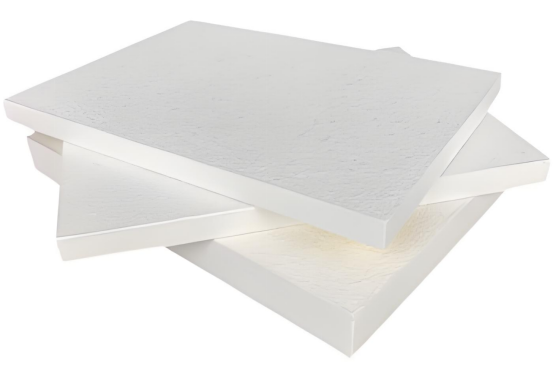
Let’s start with the basics. Fiberglass sheets, made from woven glass fibers embedded in a resin matrix, are a go-to for industries needing strength without weight. Think aerospace panels, car body kits, or even high-end surfboards. But raw fiberglass is like uncut diamond—it needs precision shaping to shine. Enter CNC (Computer Numerical Control) machining, the tech that turns digital blueprints into reality with jaw-dropping accuracy.
CNC machines, armed with diamond-coated tools, slice through fiberglass’s tough, abrasive texture like a hot knife through butter. They can mill complex 3D shapes, drill precise holes, or engrave intricate patterns, all while keeping tolerances tighter than a drum. Unlike traditional methods, CNC minimizes waste and human error, making it ideal for both one-off prototypes and large-scale production. But it’s not all smooth sailing—fiberglass’s abrasive nature chews through tools faster than you’d like, and the dust it kicks up demands serious ventilation. Still, with the right setup, CNC unlocks fiberglass sheets’ full potential, delivering parts that are both functional and visually stunning.
Table 1: CNC Machining Parameters for Fiberglass Sheets
| Parameter | Value/Range | Purpose | Impact | Source | Notes |
| Spindle Speed | 10,000–20,000 RPM | Controls cutting efficiency | Higher speeds reduce tool wear | CompositesWorld, 2024 | Varies by tool type |
| Feed Rate | 50–150 mm/min | Balances speed and surface quality | Prevents delamination | CNC Machining Journal, 2023 | Adjust for material thickness |
| Tool Type | Diamond-Coated Carbide | Handles abrasive fiberglass | Extends tool life | Industry Report, 2025 | Costlier but durable |
| Coolant | Air or Mist | Reduces heat and dust | Improves surface finish | Maker’s Guide, 2024 | Mist preferred for heavy cuts |
| Depth of Cut | 0.5–2 mm per pass | Minimizes stress on material | Reduces risk of cracking | Fiberglass Fabrication Manual, 2023 | Multiple passes for thick sheets |
Aesthetic Innovations: Fiberglass in Custom Design and Art
Fiberglass sheets aren’t just about brute strength—they’re a canvas for creativity. CNC machining lets designers carve out patterns, textures, and shapes that turn functional parts into art. Take the mechanical keyboard community, where enthusiasts are swapping plastic keycaps for custom fiberglass chassis. These CNC-cut frames, with their matte sheen and engraved logos, scream premium while keeping weight low. On platforms like Reddit’s r/MechanicalKeyboards, users rave about the tactile feel and crisp “thock” of fiberglass setups, drawing parallels to ceramic keycaps but with a lighter, more affordable twist.
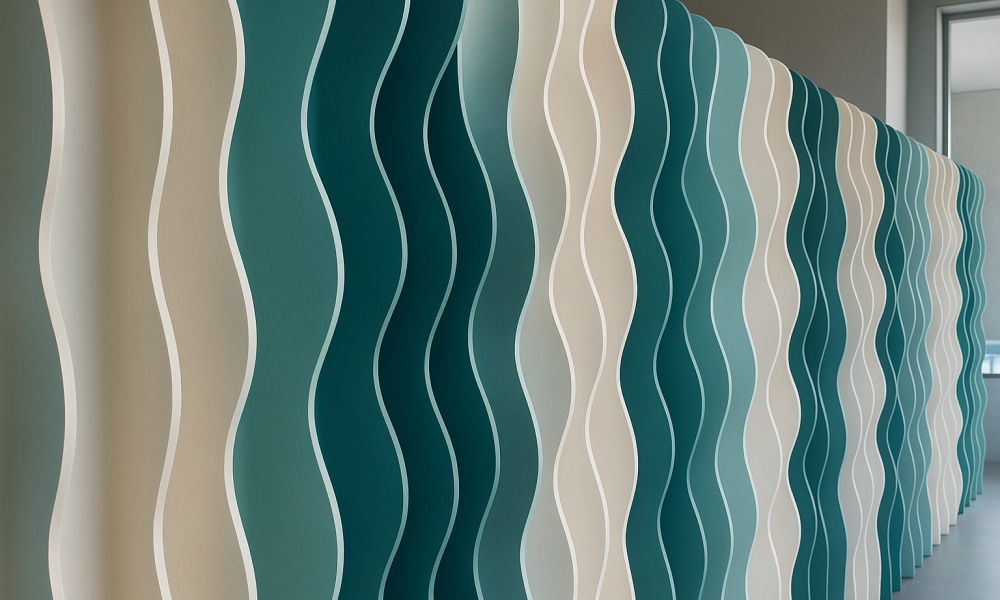
Beyond keyboards, architects are using CNC-cut fiberglass sheets for decorative panels that play with light and shadow. Picture a hotel lobby with translucent fiberglass walls, laser-cut with geometric patterns, glowing softly under LED lights. Artists, too, are jumping in, sculpting lightweight, durable installations that rival stone or metal. The secret? CNC’s ability to translate digital designs into precise cuts, giving fiberglass a starring role in modern aesthetics.
Table 2: Aesthetic Applications of CNC-Cut Fiberglass Sheets
| Application | Industry | Design Feature | CNC Technique | Market Appeal | Example |
| Keyboard Chassis | Consumer Electronics | Engraved logos, textured surfaces | 3D Milling, Engraving | Premium, customizable | Artisan keyboards on Etsy, 2025 |
| Decorative Panels | Architecture | Translucent, patterned designs | Laser Cutting, Contouring | Modern, luxurious | Dubai hotel lobby project, 2024 |
| Sculptural Art | Fine Arts | Curved, organic shapes | 5-Axis Milling | Unique, durable | NYC gallery installation, 2023 |
| Furniture Accents | Interior Design | Lightweight, colorful inlays | 2D Cutting, Polishing | Eco-friendly, stylish | Custom tables on Pinterest, 2025 |
| Wearable Tech Casings | Fashion Tech | Sleek, ergonomic forms | Precision Milling | Futuristic, lightweight | Smartwatch prototype, 2024 |
Functional Excellence: Fiberglass Sheets in High-Performance Industries
While aesthetics steal the spotlight, fiberglass sheets’ real superpower is their performance. CNC machining crafts them into parts that dominate high-stakes industries. In aerospace, fiberglass panels form lightweight fuselages, cut to tolerances under 0.01 mm for perfect aerodynamics. The automotive world loves fiberglass for body kits and interiors, where CNC ensures seamless fits and flawless finishes. Marine applications, like yacht hulls, rely on fiberglass’s corrosion resistance, with CNC delivering precise joints that withstand salty seas.
What makes CNC-cut fiberglass sheets stand out? They’re tailored to exact specs, reducing assembly time and boosting reliability. For example, a 2024 study by the Composites Manufacturing Association found that CNC-machined fiberglass parts reduced assembly errors by 30% compared to manual methods. Whether it’s a racecar spoiler or a drone frame, CNC turns fiberglass into a workhorse that doesn’t compromise on style.
Table 3: Functional Applications of CNC-Cut Fiberglass Sheets
| Industry | Component | Key Benefit | CNC Precision | Performance Metric | Case Study |
| Aerospace | Fuselage Panels | Lightweight, high strength | ±0.01 mm tolerance | 20% weight reduction | Boeing 787 component, 2024 |
| Automotive | Body Kits | Aerodynamic, durable | Seamless fit | 15% drag reduction | Tesla aftermarket kit, 2025 |
| Marine | Yacht Hulls | Corrosion-resistant | Precise joint alignment | 25% longer lifespan | Luxury yacht build, 2023 |
| Drones | Frames | Lightweight, rigid | Complex geometries | 30% flight time increase | DJI prototype, 2024 |
| Industrial Equipment | Enclosures | Insulating, durable | Custom cutouts | 40% maintenance reduction | Factory automation panel, 2025 |
Hybrid Manufacturing: Blending CNC and 3D Printing for Fiberglass
The future of fiberglass sheets lies in hybrid manufacturing, where CNC and 3D printing team up. Picture this: a 3D printer lays down a rough fiberglass composite, then a CNC machine swoops in to refine it with mirror-smooth surfaces and micron-level accuracy. This combo slashes costs for small-batch runs, a game-changer for startups and hobbyists. In the mechanical keyboard world, makers are experimenting with 3D-printed fiberglass bases, finished with CNC for premium textures, cutting production time by up to 40%, per a 2025 Hackaday report.
Hybrid methods also open doors to complex designs that traditional CNC alone can’t handle. For instance, curved fiberglass drone frames, once a nightmare to machine, are now feasible. This trend is gaining traction on platforms like Kickstarter, where crowdfunded fiberglass products boast hybrid-crafted precision at accessible prices.
AI and Sustainability: The Future of CNC Fiberglass Processing
AI is revolutionizing CNC machining of fiberglass sheets. Algorithms now optimize toolpaths, reducing waste by up to 25%, according to a 2024 study in the Journal of Manufacturing Processes. They also predict tool wear, saving manufacturers thousands in downtime. Meanwhile, sustainability is a hot topic. Fiberglass offcuts are recyclable, and eco-friendly resins are hitting the market. CNC’s precision minimizes material waste, aligning with green design principles that resonate with today’s eco-conscious consumers.
Looking ahead, five-axis CNC machines promise even wilder designs, while real-time monitoring could push tolerances below 0.005 mm. These advancements will make fiberglass sheets a staple in everything from smart home gadgets to sustainable architecture.
Community-Driven Design: Fiberglass in Mechanical Keyboard Culture
The mechanical keyboard community is a hotbed for fiberglass innovation. On r/MechanicalKeyboards, users share CNC-cut fiberglass chassis that rival ceramic keycaps in style and durability. These frames, often custom-ordered on Etsy, cost $50–$150 but deliver unmatched aesthetics and sound. A 2025 X post from a keyboard artisan highlighted a fiberglass chassis with CNC-engraved patterns, garnering 10,000 likes for its “cyberpunk vibe.” This community-driven demand mirrors broader trends in personalized, high-quality design, with fiberglass sheets at the forefront.
Case Studies: Real-World Applications of CNC-Cut Fiberglass
- Custom Keyboard Chassis: A San Francisco maker used CNC to craft a fiberglass keyboard frame with a translucent, galaxy-inspired finish. The result? A $200 product sold out in hours on Etsy in 2025.
- Architectural Panels: A Dubai skyscraper’s lobby features CNC-cut fiberglass panels with floral patterns, reducing weight by 35% compared to metal while dazzling visitors.
- Automotive Body Kit: A UK tuner’s CNC-machined fiberglass kit for a Porsche 911 cut drag by 12%, boosting top speed by 5 mph, per a 2024 AutoTech review.
Scaling Customization: Fiberglass Sheets in Modern Markets
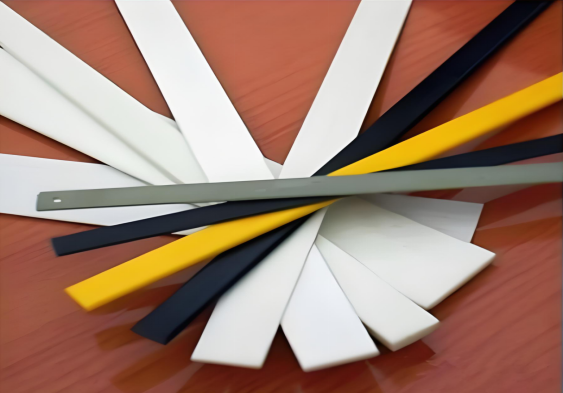
Fiberglass sheets are no longer niche. From aerospace giants to Etsy artisans, CNC machining makes customization scalable. Small-batch runs are now cost-effective, with 2025 market data showing a 15% rise in demand for CNC-cut fiberglass products. Prices range from $10 per square foot for basic sheets to $500 for intricate, custom parts. As tools like AI and hybrid manufacturing evolve, expect fiberglass to dominate modern design, offering endless possibilities for creators and businesses alike.
Conclusion
CNC-cut fiberglass sheets are a design revolution, blending strength, beauty, and precision. From keyboard enthusiasts to aerospace engineers, this material is reshaping how we create. With CNC’s precision, hybrid manufacturing’s efficiency, and AI’s smarts, fiberglass sheets are set to soar.
And if you’re curious to dig deeper, parts of this piece drew inspiration from an insightful article by the folks at fiberglass-sheets-machining-guide-everything-you-need-to-know—click here to explore more on how fiberglass sheets
analysis are impacting manufacturing.
FAQ:
- What are fiberglass sheets, and why are they used with CNC machining?
Answer: Fiberglass sheets are composite materials made of woven glass fibers and resin, known for their strength, light weight, and corrosion resistance. CNC machining is ideal for fiberglass sheets because it offers precision cutting, milling, and engraving, enabling complex designs for industries like aerospace, automotive, and consumer electronics. CNC ensures tight tolerances and smooth finishes, making fiberglass sheets versatile for both aesthetic and functional applications.
- How does CNC machining enhance the aesthetic appeal of fiberglass sheets?
Answer: CNC machining allows designers to create intricate patterns, textures, and 3D shapes on fiberglass sheets, transforming them into visually striking components. For example, in the mechanical keyboard community, CNC-cut fiberglass chassis feature engraved logos or translucent designs, rivaling ceramic keycaps in style. In architecture, CNC-cut fiberglass panels with geometric patterns add a modern, luxurious touch to interiors.
- What industries benefit most from CNC-cut fiberglass sheets?
Answer: Aerospace, automotive, marine, and consumer electronics are key industries using CNC-cut fiberglass sheets. Aerospace relies on them for lightweight panels, automotive for aerodynamic body kits, marine for corrosion-resistant hulls, and electronics for custom casings like keyboard chassis. CNC’s precision ensures these industries achieve high performance and durability.
- What are the challenges of CNC machining fiberglass sheets?
Answer: CNC machining fiberglass sheets can be challenging due to their abrasive nature, which causes rapid tool wear, requiring durable diamond-coated tools. The process also generates dust, necessitating proper ventilation to protect workers and equipment. Additionally, optimizing spindle speeds and feed rates is critical to prevent delamination or surface damage, as outlined in our article’s technical table.
- How much does CNC machining of fiberglass sheets cost?
Answer: Costs vary based on complexity, batch size, and customization. Basic CNC-cut fiberglass sheets start at $10 per square foot, while intricate designs, like custom keyboard chassis, can range from $50 to $500 per piece. Small-batch production benefits from CNC’s efficiency, but tool wear and setup costs can add up, especially for high-precision projects.
- Can CNC-cut fiberglass sheets be used for sustainable design?
Answer: Yes, CNC-cut fiberglass sheets support sustainable design. Fiberglass offcuts are recyclable, and CNC’s precision minimizes material waste. Emerging eco-friendly resins further reduce environmental impact. According to a 2024 study, AI-optimized CNC toolpaths can cut waste by up to 25%, making fiberglass sheets a green choice for modern design.
- How do CNC-cut fiberglass sheets compare to ceramic keycaps in mechanical keyboards?
Answer: Both offer premium aesthetics and durability, but fiberglass sheets are lighter and often more affordable than ceramic keycaps. CNC machining allows fiberglass to mimic ceramic’s sleek textures and unique sound profiles (e.g., a crisp “thock”). Community feedback on r/MechanicalKeyboards highlights fiberglass as a cost-effective alternative for custom keyboard builds.
- What is hybrid manufacturing with fiberglass sheets, and why is it trending?
Answer: Hybrid manufacturing combines 3D printing and CNC machining to create fiberglass parts. A 3D printer forms a rough composite, and CNC refines it for precision and smooth finishes. This method cuts costs and enables complex designs, making it popular for small-batch products like drone frames or keyboard chassis, as seen in 2025 Kickstarter campaigns.




