
Packaging is more than just a way to transport products—it plays a vital role in protecting items from damage, contamination, and environmental factors. Businesses that rely on large-scale distribution need packaging that ensures products arrive safely, maintains their integrity, and enhances the customer experience.
The right commercial packaging solution helps prevent product loss, reduces return rates, and ensures compliance with industry regulations. From selecting durable materials to incorporating advanced protective features, businesses must carefully evaluate their packaging needs to maximize efficiency and safety.
Understanding Product-Specific Packaging Needs
Not all products require the same level of protection. The ideal packaging solution varies based on product type, fragility, and handling requirements. A packaging strategy that works for electronics may not be suitable for food or pharmaceuticals.
Key considerations include:
- Fragility: Glass, ceramics, and electronics require cushioned protection to prevent breakage.
- Perishability: Food and pharmaceutical products need temperature-controlled packaging to maintain freshness and safety.
- Weight: Heavier items require reinforced packaging materials to handle stress during transport.
- Compliance: Certain industries, such as healthcare and food, must adhere to strict packaging regulations.
Choosing the Right Packaging Materials
The durability of packaging depends on the materials used. Selecting the right materials ensures that products are well-protected during storage and transit.
- Corrugated Cardboard: Lightweight yet strong, ideal for shipping boxes and bulk packaging.
- Plastic Packaging: Water-resistant and durable, commonly used for long-haul shipping.
- Foam Inserts: Absorb impact and prevent movement for fragile items.
- Biodegradable Options: Eco-friendly packaging that reduces environmental impact while maintaining durability.
Selecting the right material depends on factors like cost, sustainability, and protection requirements.
Advanced Protection Features for Safer Shipping
Packaging must safeguard products from both physical and environmental hazards. Adding specialized protective features ensures items remain in excellent condition throughout the supply chain.
- Shock-Absorbing Packaging: Foam inserts, air pillows, and molded trays prevent damage from drops and impacts.
- Waterproof and Moisture-Resistant Coatings: Essential for packaging that may be exposed to humidity or outdoor conditions.
- Tamper-Proof Seals: Help prevent unauthorized access and ensure consumer safety.
- Temperature-Controlled Packaging: Required for perishable goods and sensitive pharmaceuticals.
Branding and Customization for a Competitive Edge
Packaging isn’t just about protection—it’s also a tool for enhancing brand recognition. Custom packaging allows businesses to create a memorable experience for customers while reinforcing their brand identity.
Popular branding elements include:
- Custom Logos and Colors: Strengthen brand identity with consistent design elements.
- Eco-Friendly Packaging: Appeal to sustainability-conscious consumers with recyclable materials.
- Premium Unboxing Experience: High-quality printing and sleek designs add value to the customer’s first interaction with the product.
By integrating branding into packaging, businesses can differentiate themselves in a crowded market.
Balancing Protection, Cost, and Sustainability
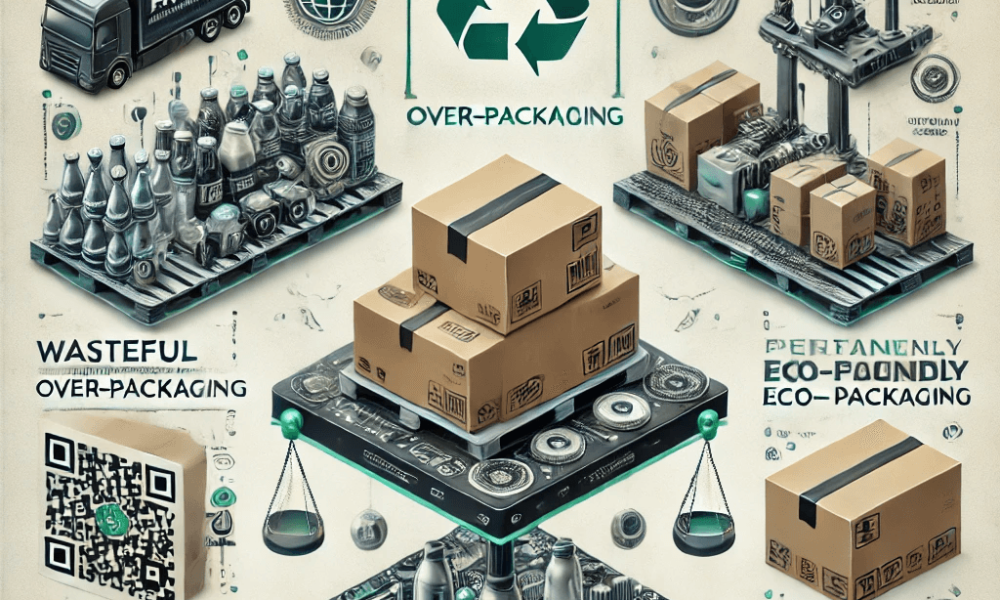
While high-quality packaging is essential, businesses must also balance cost-effectiveness and sustainability. Over-packaging increases expenses and waste, while under-packaging can lead to product damage and higher return rates.
Strategies for optimizing packaging costs include bulk purchasing, lightweight materials, and automation to streamline packaging processes.
Creating a Packaging Strategy That Works
The right commercial packaging solution goes beyond aesthetics—it ensures product safety, reduces waste, and enhances brand reputation. By choosing durable materials, incorporating protective features, and considering branding opportunities, businesses can create packaging that meets both functional and marketing goals.
Investing in high-quality, customized packaging solutions helps businesses protect their products, improve efficiency, and build lasting customer relationships. A well-designed packaging strategy supports business growth while ensuring every product reaches its destination in perfect condition.
Balancing innovation with practicality is also crucial in packaging design. Emerging trends, such as smart packaging with QR codes for interactive customer experiences or biodegradable alternatives to traditional plastics, are reshaping the industry. Companies that embrace these advancements can enhance consumer engagement while reinforcing their commitment to sustainability and efficiency.