
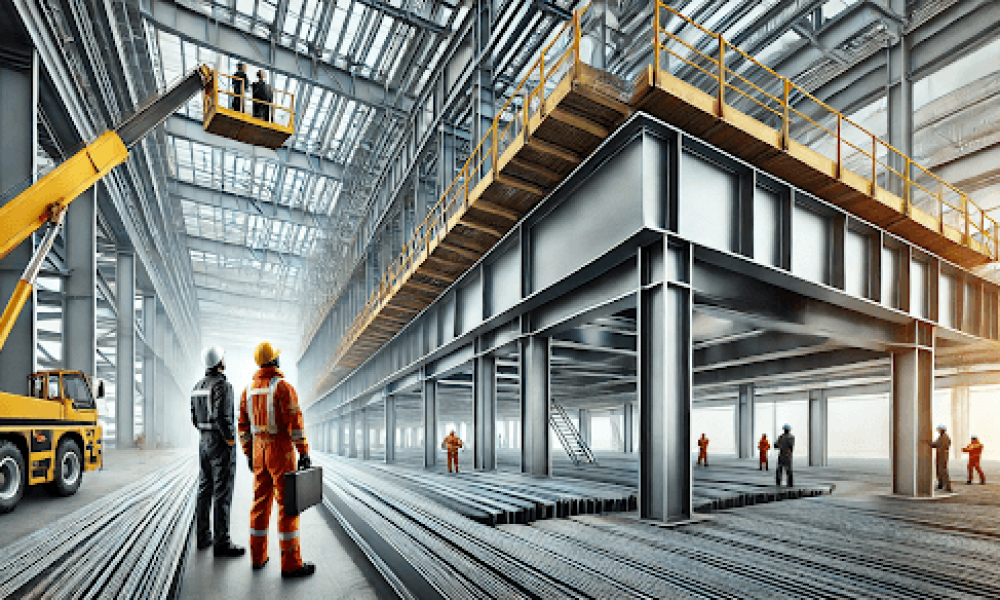
Steel decking is a crucial component in modern construction, offering strength, durability, and versatility. However, like any steel-based material, it is susceptible to corrosion, which can compromise its integrity and longevity. Preventing corrosion and extending the lifespan of steel decking requires strategic planning, protective measures, and regular maintenance. This article explores the causes of corrosion in steel decking, preventive techniques, and long-term solutions to enhance durability.
Understanding Corrosion in Steel Decking
Corrosion is a natural process that occurs when steel reacts with environmental elements such as moisture, oxygen, and chemicals. The primary types of corrosion affecting steel decking include:
- Atmospheric Corrosion – Occurs due to exposure to air and moisture, often worsened by pollutants or salts in coastal areas.
- Galvanic Corrosion – Happens when steel comes into contact with dissimilar metals, leading to electrochemical reactions.
- Crevice Corrosion – Develops in small gaps or joints where moisture and debris accumulate, accelerating deterioration.
- Pitting Corrosion – Forms small holes in the surface of steel, weakening the structure over time.
- Stress Corrosion Cracking (SCC) – A combination of tensile stress and a corrosive environment that leads to fractures.
Understanding these forms of corrosion is the first step in implementing effective prevention strategies.
Preventive Measures for Steel Decking Corrosion
Preventing corrosion in steel decking begins at the material selection stage and continues throughout installation and maintenance. The following methods can significantly extend the lifespan of steel deck structures.
1. Use of Protective Coatings
Applying protective coatings is one of the most effective ways to shield steel decking from corrosion. Some common coatings include:
- Galvanization – Coating steel with zinc to create a protective barrier against moisture and oxygen.
- Epoxy Coatings – Provide a strong, water-resistant layer, ideal for industrial and marine environments.
- Powder Coating – A dry finishing process that enhances durability and resistance to environmental factors.
- Polyurethane Coatings – Protect against UV radiation and chemical exposure, extending lifespan in harsh conditions.
2. Proper Drainage and Ventilation
Water accumulation is a primary cause of corrosion. Ensuring proper drainage and ventilation in steel decking structures prevents moisture retention and reduces rust formation. Key measures include:
- Installing sloped designs to allow water runoff.
- Using drainage holes or channels in decks to prevent pooling.
- Ensuring adequate air circulation to keep surfaces dry.
3. Avoiding Contact with Dissimilar Metals
To prevent galvanic corrosion, avoid placing steel decking in direct contact with metals such as copper or aluminum. Using insulating barriers, coatings, or non-conductive fasteners can mitigate the risk of electrochemical reactions.
4. Regular Maintenance and Inspections
Routine inspections help identify early signs of corrosion and allow for prompt intervention. Maintenance best practices include:
- Checking for rust spots, cracks, or peeling coatings.
- Cleaning steel surfaces to remove dirt, debris, and chemicals.
- Reapplying protective coatings as needed to maintain corrosion resistance.
- Repairing any minor damages before they escalate into structural failures.
5. Use of Corrosion-Resistant Alloys
For applications in highly corrosive environments, using stainless steel or weathering steel can provide enhanced resistance. While these materials may have a higher initial cost, they significantly reduce long-term maintenance expenses and extend the structure’s lifespan.
Long-Term Solutions for Extending Steel Decking Lifespan
Beyond preventive measures, implementing long-term solutions ensures that steel decking maintains its durability and performance for decades.
1. Cathodic Protection Systems
Cathodic protection uses electrical currents to prevent steel from oxidizing. This technique is particularly beneficial for steel decking exposed to marine or industrial environments. Common methods include:
- Sacrificial Anodes – Attaching zinc or magnesium anodes to steel, which corrode instead of the primary structure.
- Impressed Current Systems – Using a controlled electrical charge to counteract corrosion.
2. Application of Corrosion Inhibitors
Corrosion inhibitors are chemicals applied to steel decking to reduce oxidation. They work by forming a protective layer that slows down the reaction between steel and environmental factors. These inhibitors are particularly useful in environments with high humidity or chemical exposure.
3. Use of Smart Coatings
Advancements in materials science have led to the development of smart coatings that provide self-healing properties. These coatings contain microcapsules that release protective agents when a crack or damage occurs, preventing corrosion before it spreads.
4. Implementing Sustainable Design Practices
Sustainable construction practices contribute to the longevity of steel decking. By designing structures with minimal exposure to corrosive elements and using eco-friendly protective solutions, builders can reduce environmental impact while enhancing durability.
5. Enhanced Structural Integration
Integrating steel decking with other construction components, such as reinforced concrete, can improve its overall performance. Composite steel decking systems, where steel and concrete work together, enhance load distribution and reduce stress-related corrosion.
Conclusion
Preventing corrosion and extending the lifespan of steel decking is essential for maintaining the integrity of construction projects. Through protective coatings, proper drainage, corrosion-resistant materials, and advanced technologies, builders can significantly reduce maintenance costs and ensure long-term performance. By implementing these strategies, steel decking remains a reliable and sustainable choice for modern construction, providing strength and durability in diverse environmental conditions.




